
Worried about raccoons raiding your garden? You’re not alone! Raccoons are clever and persistent, often turning prize-winning vegetables into midnight snacks. But you can keep them out. This guide will show you how to protect your plants.
Raccoons are nocturnal visitors that can wreak havoc on gardens, feasting on everything from tomatoes and corn to berries and even bulbs. Their nimble paws and intelligence make them formidable garden pests. However, by employing a combination of deterrents and physical barriers, you can effectively protect your hard-earned bounty. This comprehensive guide will explore various methods for raccoon-proofing your garden, covering everything from raccoon repellent options to garden fence ideas for raccoons and humane raccoon removal techniques.
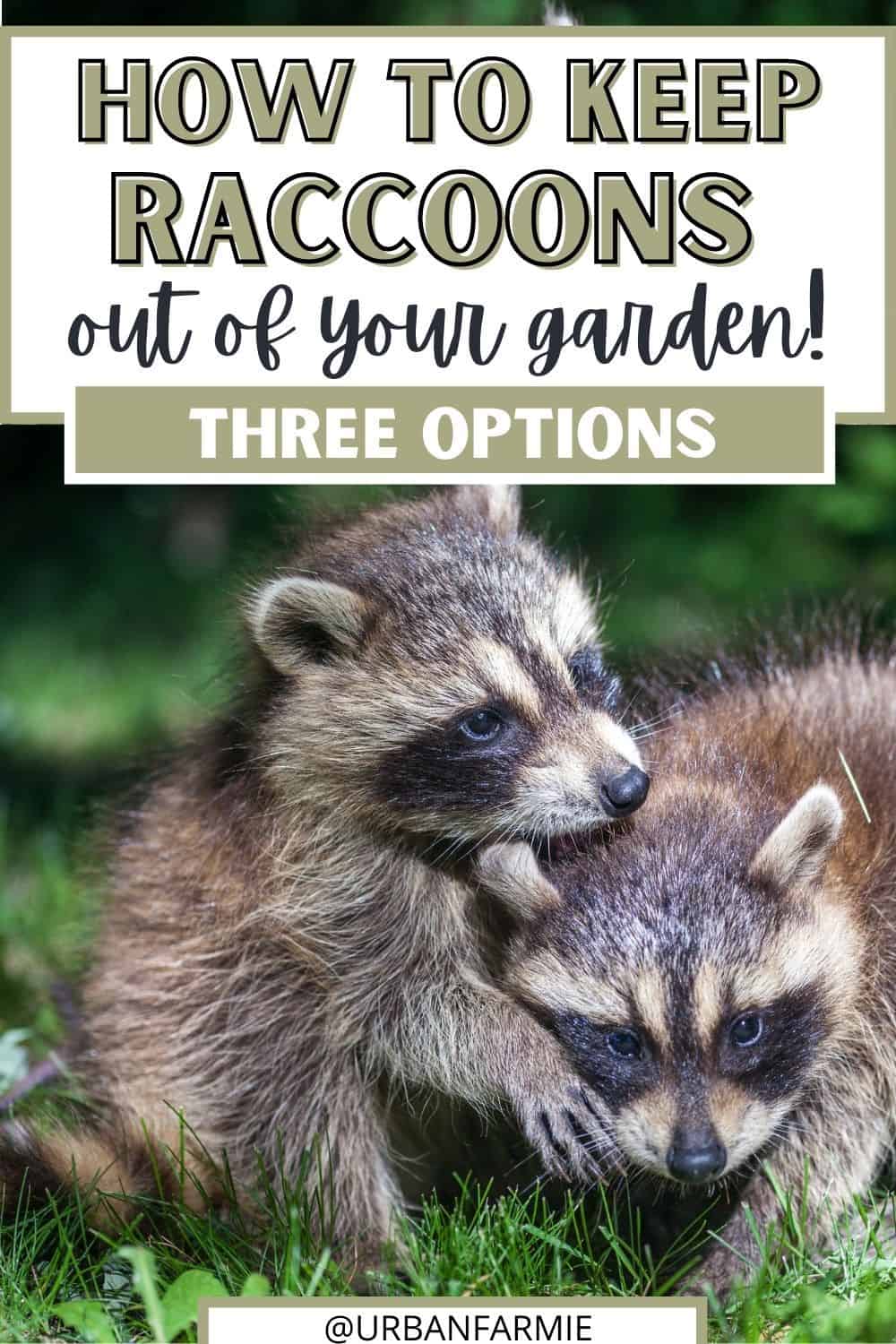
Image Source: urbanfarmie.com
Why Raccoons Love Your Garden
Before diving into solutions, it’s helpful to grasp why raccoons are drawn to your garden. They are omnivores with a broad diet, and gardens offer a smorgasbord of delicious treats.
- Food Sources: Raccoons are attracted to ripe fruits, vegetables, nuts, seeds, and even insects that might be found in your soil.
- Water Sources: Gardens often have access to water from sprinklers, bird baths, or even damp soil, which is essential for their survival.
- Shelter: Gardens can provide hiding places or access to nearby burrows, especially if there’s dense foliage or unkempt areas.
Strategies for Deterring Raccoons
Keeping raccoons out requires a multi-pronged approach. No single method is foolproof, so combining several tactics will yield the best results for garden pest control.
1. Secure Your Garbage
One of the biggest attractants for raccoons is unsecured garbage. If raccoons can easily access your trash, they’ll likely investigate your garden as well.
- Use Tight-Fitting Lids: Ensure your garbage cans have sturdy, tight-fitting lids. Raccoons are adept at prying open flimsy lids.
- Secure Cans: Consider using bungee cords or straps to secure the lids to the cans, especially on windy nights.
- Wash Cans Regularly: Rinse out your garbage cans to remove food odors that attract raccoons.
- Consider a Raccoon-Proof Bin: Investing in a specially designed raccoon-proof garbage bin can be a worthwhile long-term solution.
2. Manage Your Composting
Compost piles, especially those with food scraps, can be a significant draw for raccoons.
- Avoid Meat and Dairy: Do not add meat, dairy products, or oily foods to your compost bin, as these are particularly attractive to raccoons.
- Bury Food Scraps: If you have an open compost pile, bury fresh food scraps deep within the pile to make them less accessible.
- Use a Tumbler or Enclosed Bin: Enclosed composting systems are much better at keeping animals out of garden areas.
3. Eliminate Water Sources
While raccoons need water, eliminating unnecessary sources in your garden can help make it less appealing.
- Empty Bird Baths: If you have bird baths, empty them overnight or consider bringing them indoors if you are experiencing significant raccoon activity.
- Fix Leaky Faucets: Repair any leaky outdoor faucets or hoses that might be providing a constant water supply.
4. Modify Your Garden’s Appeal
Making your garden less of a buffet and more of a challenge can deter these clever critters.
H4: Plant Choices
Some plants are more appealing to raccoons than others.
- Berries and Sweet Fruits: Raccoons have a sweet tooth for berries like strawberries and raspberries, as well as fruits like tomatoes and melons.
- Corn: Sweet corn is a particular favorite.
- Bulbs: Certain bulbs, especially tulips and crocuses, can be dug up and eaten.
Consider planting less attractive crops or those that are known to be natural raccoon deterrents. Some gardeners report success with planting marigolds or castor bean plants around the perimeter, though caution is advised with castor bean plants as they are highly toxic.
H4: Harvesting Practices
Timely harvesting is crucial.
- Pick Ripe Produce Promptly: Don’t leave ripe fruits and vegetables on the vine or stem for extended periods. This reduces the window of opportunity for raccoons.
- Clear Fallen Fruit: Collect any fallen fruit from the ground immediately. Fallen fruit is an easy target for raccoons.
5. Physical Barriers: The Best Defense
Physical barriers are often the most effective way to keep raccoons out of your garden. This involves raccoon proofing garden areas with robust fencing.
H5: Garden Fence Ideas for Raccoons
When choosing a fence, consider the raccoon’s agility and climbing abilities.
- Height: Fences should be at least 3 feet tall.
- Material: Sturdy materials like chicken wire, hardware cloth, or welded wire mesh are effective.
- Depth: Bury the bottom of the fence at least 6-12 inches into the ground to prevent preventing raccoons from digging underneath.
- Inward-Facing Top: An inward-facing L-shaped or outward-facing curved top section (often called a “coyote roller” or “raccoon baffle”) can prevent them from climbing over. This is a critical feature for keeping animals out of garden spaces.
Table: Recommended Fencing Materials and Features
| Material | Advantages | Considerations |
|---|---|---|
| Chicken Wire | Inexpensive, flexible | Can be less durable, raccoons might chew through it |
| Hardware Cloth | Sturdy, smaller mesh prevents climbing | More expensive, less flexible |
| Welded Wire Mesh | Strong, durable, good for larger areas | Can be heavy, requires sturdy posts |
| Electric Fence | Highly effective deterrent | Requires ongoing maintenance, safety considerations |
-
Electric Fencing: For serious infestations, a low-voltage electric fence can be a very effective deterrent. It delivers a mild shock that discourages raccoons from returning. Ensure it’s properly installed and maintained, and consider local regulations regarding electric fencing.
-
Individual Plant Protection: For valuable or vulnerable plants, consider individual cages or collars made from wire mesh.
6. Raccoon Repellent Options
Various raccoon repellent products and methods aim to discourage raccoons through scent, taste, or sound.
H5: Scent-Based Repellents
Raccoons rely heavily on their sense of smell.
- Predator Urine: Urine from predators like coyotes or foxes can signal danger and deter raccoons. You can purchase these commercially or, if you have access, collect them. Apply around the perimeter of your garden.
- Castor Oil: A natural substance that many animals dislike the smell and feel of. Mix castor oil with water and a mild detergent and spray it on affected areas.
- Garlic and Hot Pepper Sprays: A homemade spray made from garlic, hot peppers (like cayenne), and water can be a potent deterrent. Reapply after rain.
H5: Taste-Aversion Sprays
These make plants unpalatable.
- Bitter Apple or Bitter Orange Sprays: Commercially available sprays designed to make plants taste unpleasant. They are generally safe for plants but can be effective deterrents.
H5: Sound and Light Deterrents
These aim to startle or confuse raccoons.
- Motion-Activated Sprinklers: These devices detect movement and spray a burst of water, startling raccoons and teaching them to avoid the area. This is a humane way of deterring raccoons.
- Motion-Activated Lights: Bright lights that switch on when motion is detected can also startle nocturnal animals like raccoons.
- Radios: Leaving a radio on a talk station overnight can create a sense of human presence, which may deter raccoons.
Important Note: The effectiveness of many scent and taste repellents can vary, and they often need to be reapplied frequently, especially after rain or watering. Always follow product instructions carefully and test on a small area of your plants first to ensure they don’t cause damage.
7. Humane Raccoon Removal and Deterrence
When dealing with wildlife, especially common garden pests like raccoons, humane methods are always preferred. The goal is humane raccoon removal from your garden, not harm.
- Remove Attractants: As discussed, the most humane and effective method is removing anything that draws them in – food, water, and shelter.
- ** Exclusion:** Physical barriers are the most humane way to exclude them from your garden space.
- Trap-Neuter-Return (TNR): While not typically used for garden pests in the same way as stray cats, TNR programs are a humane approach to managing wildlife populations. However, for immediate garden protection, focusing on exclusion and deterrence is more practical.
- Professional Wildlife Removal: If you have a persistent and significant raccoon problem that you cannot manage yourself, consider contacting a local humane wildlife removal service. They can assess the situation and implement humane solutions.
8. Dealing with Raccoons Digging
Raccoons often dig in gardens looking for grubs, insects, or bulbs.
- Secure the Soil: Cover vulnerable garden beds with chicken wire or hardware cloth, especially in the fall and spring when they are actively foraging for food.
- Reduce Grub Populations: Healthy lawn and garden practices that encourage beneficial insects and reduce grub populations can indirectly help.
- Avoid Overwatering: Excessively moist soil can attract earthworms and grubs, which raccoons also eat.
9. Raccoon Proofing Structures
If raccoons are using sheds, decks, or other garden structures for shelter, you’ll need to raccoon-proof these areas too.
- Seal Entry Points: Inspect for holes and gaps under decks, sheds, or crawl spaces. Seal them with sturdy wire mesh or metal flashing.
- Secure Vents: Ensure any vents on structures are covered with strong wire mesh.
10. Commercial Raccoon Repellents
Beyond DIY solutions, several commercial raccoon repellents are available.
- Granular Repellents: These often contain ingredients like castor oil, predator urine, or essential oils. They are typically spread around the perimeter of the garden.
- Liquid Repellents: Similar to granular types, these can be sprayed.
- Ultrasonic Devices: These emit high-frequency sounds that are supposed to be unpleasant to raccoons but inaudible to humans. Their effectiveness can be mixed, and raccoons may become accustomed to them over time.
When selecting commercial raccoon repellents, look for products specifically formulated for raccoons and ensure they are safe for use around plants, pets, and children if applicable. Always read and follow the manufacturer’s instructions meticulously.
Common Mistakes to Avoid
- Leaving Food Out: Don’t leave pet food, birdseed, or fallen fruit accessible overnight.
- Inadequate Fencing: A fence that is too short or easily breached is useless.
- Inconsistent Application: Repellents need regular reapplication to remain effective.
- Ignoring the Root Cause: If raccoons find an easy food source or shelter, they will keep coming back.
Conclusion: A Proactive Approach to a Raccoon-Free Garden
Raccoon-proofing your garden is an ongoing process that requires vigilance and a combination of strategies. By removing attractants, employing effective physical barriers like garden fence ideas for raccoons, and using various raccoon repellent options, you can significantly reduce raccoon damage. Remember that deterring raccoons is most successful when you address their needs for food, water, and shelter. For persistent problems, consider humane raccoon removal services. With patience and persistence, you can enjoy a bountiful harvest, free from the unwelcome visits of these masked bandits.
Frequently Asked Questions About Keeping Raccoons Out of Your Garden
Q1: What is the most effective way to keep raccoons out of my garden?
A1: The most effective method is a combination of removing attractants (like unsecured garbage and fallen fruit) and implementing physical barriers, such as sturdy, buried fencing with an inward-facing top.
Q2: Can I use homemade raccoon repellents?
A2: Yes, you can try homemade repellents made from strong-smelling ingredients like garlic, hot peppers, or castor oil mixed with water. However, their effectiveness can vary, and they usually need frequent reapplication.
Q3: Will electric fencing harm raccoons?
A3: Properly installed, low-voltage electric fences are designed to deliver a deterrent shock that discourages raccoons from entering, rather than causing lasting harm. They are a very effective raccoon repellent.
Q4: What kind of fence is best for keeping raccoons out?
A4: A fence at least 3 feet tall, made of sturdy wire mesh (like hardware cloth or welded wire) buried 6-12 inches deep, with an inward-facing top section, is highly effective for raccoon proofing garden areas.
Q5: How do I stop raccoons from digging in my garden?
A5: Cover vulnerable garden beds with chicken wire or hardware cloth, bury the edges of your fences, and ensure you’re not leaving out food or water sources that attract them to dig for grubs or bulbs.
Q6: Are there humane ways to remove raccoons from my garden?
A6: Yes, the most humane approaches involve exclusion (fencing) and deterrence (removing attractants, using repellents). If raccoons are present and causing significant issues, contacting a professional humane raccoon removal service is a good option.
Q7: What plants do raccoons dislike?
A7: While not foolproof, some gardeners find that strong-smelling plants like marigolds or certain herbs can help. However, raccoons are opportunistic and will eat most garden plants if other food sources are scarce or if the plants are particularly appealing.
Q8: Can I use commercial raccoon repellents?
A8: Yes, there are many commercial raccoon repellents available in granular and liquid forms. They often contain predator urine, essential oils, or bittering agents. Always follow the product instructions for safe and effective use.
Q9: What should I do if raccoons have already established a presence in my garden?
A9: If raccoons have already found your garden appealing, it’s crucial to address the attractants immediately. Secure all trash, remove fallen fruit, and install robust fencing or other physical barriers to prevent further access. Consider using deterrents to make the area less welcoming.
Q10: How can I prevent raccoons from digging up my bulbs?
A10: To prevent preventing raccoons from digging, you can plant bulbs 6-8 inches deep and cover the planting area with a layer of chicken wire or hardware cloth for the first year until the roots are established and less appealing. Alternatively, creating a physical barrier around the bulb beds is highly recommended.