
Can you keep raccoons out of your garden safely? Yes, by using a combination of deterrents, physical barriers, and good garden practices, you can effectively keep raccoons out of your garden without harming them.
Raccoons are intelligent, adaptable, and often very resourceful creatures. While their nocturnal wanderings might seem endearing from a distance, they can quickly become a nuisance when they decide your carefully cultivated garden is their personal buffet. They are known to dig up roots, feast on fruits and vegetables, overturn pots, and even raid compost bins. Preventing raccoons from accessing your garden requires a multifaceted approach focused on deterring wildlife and creating a secure garden. This guide will walk you through effective, safe, and humane methods for preventing raccoons and ensuring your garden protection.
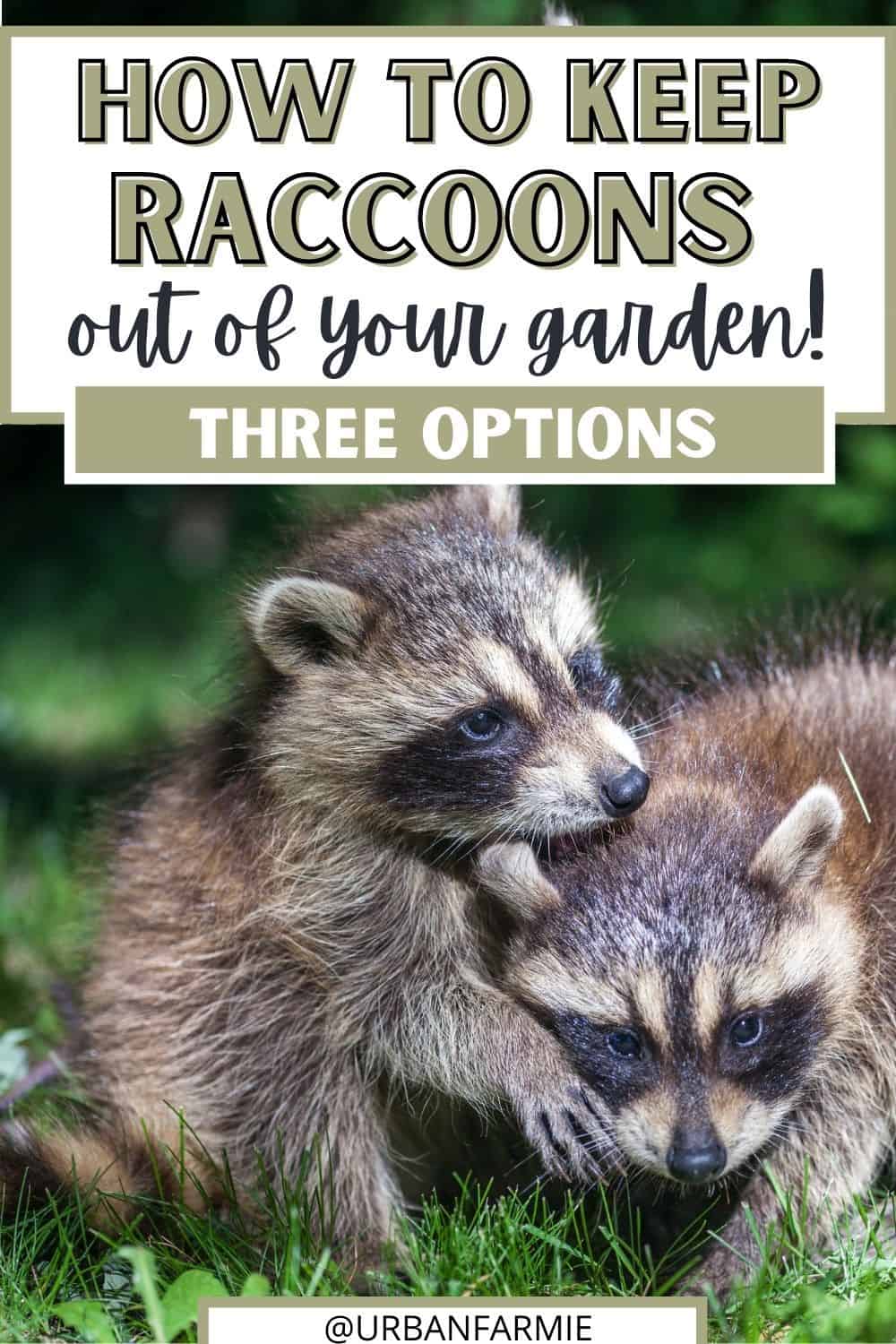
Image Source: urbanfarmie.com
Understanding Raccoon Behavior and Preferences
Before we dive into solutions, it’s helpful to grasp what attracts raccoons to your garden in the first place. Raccoons are opportunistic omnivores. This means they’ll eat almost anything, but they have particular favorites.
What Raccoons Love to Eat in Gardens
- Fruits: Berries, apples, pears, grapes, tomatoes, and melons are all prime targets.
- Vegetables: Corn, peas, beans, squash, and leafy greens are also appealing.
- Insects and Grubs: They will happily dig up your lawn or flowerbeds to get at tasty grubs.
- Pet Food: Unsecured pet food left outdoors is a major draw.
- Trash: Open trash cans are a raccoon’s dream.
- Water Sources: Bird baths or stagnant water can attract them.
When Raccoons Are Most Active
Raccoons are primarily nocturnal, meaning they are most active at night. However, they may forage during dawn and dusk, and in some cases, even during daylight hours, especially if food is scarce or they feel safe.
Effective Raccoon Deterrents
The goal is to make your garden less appealing and harder to access for raccoons. This often involves a combination of sensory deterrents and physical barriers.
Sensory Deterrents
These methods aim to confuse, startle, or repel raccoons using their senses of smell, sight, and hearing.
1. Scent-Based Natural Raccoon Repellent
Raccoons have a keen sense of smell, and certain strong odors can be off-putting.
- Capsaicin (Hot Pepper): Sprinkling cayenne pepper, chili powder, or commercially available hot pepper sprays around your plants can deter raccoons. Reapply after rain or watering.
- Application: Mix 1 tablespoon of cayenne pepper with 1 quart of water and a few drops of liquid dish soap (to help it stick). Spray generously around plants.
- Caution: Avoid spraying directly on delicate plants, as it can cause leaf burn.
- Ammonia: The smell of ammonia can mimic urine from a predator.
- Application: Soak rags in ammonia and place them in small, open containers (like upside-down terracotta pots) strategically around your garden.
- Caution: Ammonia is harsh. Keep it away from children and pets, and use sparingly.
- Predator Urine: Products made from fox or coyote urine can be purchased. Raccoons perceive these as threats.
- Application: Follow product instructions. Usually, it involves placing scented granules or sprays around the perimeter of your garden.
- Garlic and Onion: The strong smell of garlic and onions can be unpleasant for raccoons.
- Application: Plant garlic and onions around the borders of your garden, or create a spray from garlic and onion scraps.
2. Auditory Deterrents
Sudden or unfamiliar noises can scare raccoons away.
- Ultrasonic Devices: These emit high-frequency sounds that are inaudible to humans but irritating to many animals, including raccoons. Their effectiveness can vary, and some animals may become accustomed to them over time.
- Radios: Placing a radio tuned to a talk station in your garden can create the impression of human presence, which raccoons generally avoid. Use battery-powered radios or solar-powered ones to avoid electrical hazards.
- Wind Chimes and Rattling Objects: The unexpected sounds can startle them.
3. Visual Deterrents
Raccoons are often more wary of things that resemble predators or move unexpectedly.
- Scarecrows and Decoys: While traditional scarecrows might not work for long, motion-activated owl or hawk decoys can be effective initially. Move them around periodically to prevent raccoons from getting used to them.
- Reflective Objects: Shiny objects like old CDs, aluminum pie plates, or Mylar tape hung from stakes can flash and move in the wind, startling raccoons.
- Motion-Activated Sprinklers: These are highly effective. When a raccoon crosses their path, they are hit with a sudden burst of water, which usually sends them scurrying. This is a humane and effective raccoon deterrent.
Building Physical Wildlife Barriers and Raccoon Fence
While deterrents can help, the most reliable method for garden protection is to physically prevent raccoons from accessing your garden.
1. The Raccoon Fence
A well-constructed fence is one of the best ways to keep raccoons out.
Key Features of an Effective Raccoon Fence:
- Height: The fence should be at least 4-6 feet tall. Raccoons are agile climbers, but this height deters most casual attempts.
- Material:
- Hardware Cloth or Welded Wire Mesh: This is ideal. The mesh openings should be no larger than 1-2 inches to prevent smaller raccoons or their young from squeezing through.
- Chicken Wire: Less effective on its own as raccoons can tear through it, but can be used in conjunction with other methods.
- Burial Depth: Raccoons are diggers. Bury the bottom of the fence at least 12 inches deep into the ground to prevent them from tunneling underneath.
- Inward-Facing Latch/Curve: For added security, especially at the top of the fence, you can create an inward-facing outward flap (about 6-12 inches wide) made of wire mesh. This makes it difficult for them to climb over.
- Gate Security: Ensure gates are just as secure as the rest of the fence and close them tightly. Consider a self-closing gate mechanism or a latch that raccoons cannot easily manipulate.
Table: Fence Material Comparison
| Material | Durability | Raccoon Proofing | Cost (Est.) | Notes |
|---|---|---|---|---|
| Hardware Cloth | High | Excellent | Moderate | Sturdy, small mesh size |
| Welded Wire Mesh | High | Very Good | Moderate | Small mesh size crucial |
| Chicken Wire | Low | Poor | Low | Best used as an extra layer or for less critical areas |
| Wooden Fence w/ Mesh | High | Good | High | Aesthetics, but raccoons can climb wood |
2. Covering Individual Plants
If a full fence is not feasible, you can protect specific plants.
- Wire Cages: Create simple cages from hardware cloth to cover individual plants or small groupings of plants.
- Netting: While netting can protect against birds, raccoons can often get through or under it. If used, ensure it’s very securely anchored to the ground.
Humane Raccoon Removal and Garden Management Practices
Sometimes, the best defense is to make your entire yard and garden less attractive to raccoons. This often involves raccoon proofing your property.
1. Secure Your Trash Cans
Raccoons are notorious for raiding unsecured trash.
- Lidded Bins: Use trash cans with sturdy, locking lids.
- Storage: Store trash cans in a garage or shed until trash collection day.
- Cleanliness: Rinse out food containers to reduce odors.
2. Manage Pet Food and Water
Never leave pet food or water bowls outside overnight. If you have bird feeders, consider hanging them in a way that makes them inaccessible to raccoons (e.g., on a pole with a baffle) or remove them at night.
3. Eliminate Food Sources
- Compost Bins: Use a compost bin that is raccoon-proof (fully enclosed with a lid). Avoid adding meat scraps or dairy products, which are particularly attractive.
- Fallen Fruit: Clean up any fallen fruit or vegetables from trees and bushes regularly.
4. Water Management
Fix leaky outdoor faucets or hoses that might provide a water source. Empty bird baths or pet water bowls at night.
5. Lighting
Motion-activated floodlights can be a very effective deterrent. The sudden illumination can startle raccoons and make them feel exposed, discouraging them from entering your garden.
6. Landscaping Choices
While you can’t completely redesign your garden for raccoon deterrence, consider that dense undergrowth can provide cover. Keeping your garden area tidy can reduce hiding spots.
Combining Strategies for Maximum Effectiveness
No single method is foolproof. The most successful garden protection plan involves layering multiple strategies.
- Start with Prevention: Secure trash, remove food sources, and manage water.
- Implement Deterrents: Use scent, sound, and visual deterrents in conjunction with your preventative measures.
- Install Barriers: For valuable plants or areas raccoons frequently visit, a raccoon fence or individual cages are your strongest defense.
Example Strategy Combination
- Secure Trash: Always use tightly lidded bins and store them away from the house.
- Motion-Activated Sprinkler: Place one near your most vulnerable garden beds.
- Scent Deterrent: Regularly reapply a natural raccoon repellent like cayenne pepper spray around the perimeter of your garden.
- Physical Barrier: Install a 6-foot-high hardware cloth fence around your vegetable patch, burying the bottom 12 inches.
- Lighting: Ensure an outdoor light with a motion sensor covers the main access points to your garden.
By implementing these measures, you are not only preventing raccoons from damaging your garden but also creating a safer environment for your family and pets.
Addressing Specific Garden Issues
Raccoons Digging for Grubs
If raccoons are digging up your lawn or flowerbeds, they are likely after grubs or other soil-dwelling insects.
- Treatment: Address the grub problem directly. Use beneficial nematodes or other natural grub control methods. A healthy lawn is less appealing to grubs, thus less appealing to raccoons.
- Barrier: You can also use a fence or even netting laid on top of the soil (secured at the edges) to deter digging.
Raccoons Eating Corn and Berries
These are high-value food items for raccoons.
- Corn: Consider planting corn in an area that is fully fenced with a secure raccoon fence, including a buried base and an outward-facing top. Covering individual corn stalks with fine mesh bags can also work, but it’s labor-intensive.
- Berries: Netting can be effective for berries if it’s very securely anchored to the ground. Otherwise, fence the entire berry patch.
What NOT to Do
It’s crucial to employ humane methods.
- Poisons: Never use poisons. They are indiscriminate and can harm pets, children, and beneficial wildlife. They are also illegal in many areas.
- Lethal Trapping: Unless you are experienced and permitted by local wildlife authorities, avoid attempting to trap and relocate raccoons yourself. Relocation is often ineffective, stressful for the animal, and can spread diseases.
When to Seek Professional Help
If you have a persistent problem with raccoons, or if you suspect an animal is injured or sick, it’s best to contact a local wildlife control professional. They can offer advice and humane solutions tailored to your specific situation. Look for professionals who specialize in humane raccoon removal and exclusion services.
Frequently Asked Questions (FAQ)
Q1: Will planting certain things keep raccoons away from my garden?
While certain strong-smelling plants like garlic and onions might have a slight deterrent effect, there’s no single plant that will guarantee raccoons stay away. Relying solely on plant choices is not an effective strategy for preventing raccoons.
Q2: Are ultrasonic devices effective raccoon deterrents?
Their effectiveness is debated and can vary greatly depending on the device, the environment, and the specific raccoon population. Some animals may become habituated to the sounds. They are best used as part of a broader strategy.
Q3: How deep do I need to bury a raccoon fence?
Burying the fence at least 12 inches deep is recommended. This prevents raccoons from digging underneath. An outward-facing flap at the base, angled away from the garden, can also deter digging and climbing.
Q4: Can I use chicken wire for a raccoon fence?
Chicken wire is generally not strong or sturdy enough to be a primary raccoon fence. Raccoons can tear through it, and its flexibility makes it easier for them to push through or climb. Hardware cloth or welded wire mesh with small openings is a much better choice for a secure garden protection.
Q5: What is the most humane way to deal with raccoons in my garden?
The most humane approach focuses on deterring wildlife and making your garden inaccessible. This includes using motion-activated sprinklers, scent repellents (like cayenne pepper), secure fencing, and removing attractants like unsecured trash or pet food. This is often referred to as raccoon proofing.
Q6: My neighbor’s dog seems to scare raccoons away. Can I use a dog?
While a dog’s presence might deter raccoons temporarily, it’s not a practical or humane long-term solution for continuous garden protection. It also introduces potential conflicts between pets and wildlife, and it’s not a proactive measure for preventing raccoons from returning.
By implementing a layered approach that combines humane deterrents, secure barriers, and smart garden management, you can effectively protect your garden from raccoons while ensuring the safety and well-being of these fascinating, albeit troublesome, creatures. Your secure garden is achievable with patience and the right techniques.