
Ever watch a craftsman slice through metal like butter? That smooth, clean cut doesn’t just happen. It starts with the right tool, and for a chop saw, the blade is king. But step into any hardware store, and you face a wall of discs. Carbide-tipped? Abrasive? What size tooth do you even need?
Choosing the wrong blade can turn a quick job into a frustrating mess. You might get rough edges, slow cutting times, or worse—a blade that wears out before you finish your project. It wastes time and money. We know that feeling of uncertainty when you need a perfect cut right now.
This guide cuts through the confusion. We break down the main types of chop saw blades and explain exactly what each one does best. You will learn to match the blade to your material, ensuring safer, faster, and cleaner results every time you pull the trigger. Get ready to transform your cutting game.
Top Chop Saw Blade Recommendations

- High performance aluminum oxide grain for long life and fast cutting
- High grain concentration for agressive cutting action and smoother running wheels
- Proprietary material mix ensures durable long life wheels
- High grain concentration for aggressive cutting action and smoother running wheels

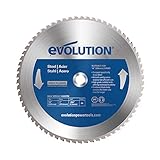
- 14BLADEST: 14 inch mild steel saw blade with 66 teeth for chop saws (*Designed to cut mild steel only, do not use this blade for galvanized, hardened, or high-carbon steel)
- MILD STEEL CUTTING BLADE: Evolution's unique blades are designed for cutting mild steel and ferrous metal - Made from high-quality Japanese carbide and heat-treated for added durability
- NO HEAT, NO BURRS & VIRTUALLY NO SPARKS: Our TCT blades allow you to touch the finished cut within moments of cutting, unlike other blades that make the material too hot to touch, Evolution blades produce virtually no sparks
- LONG BLADE LIFE: Premium Tungsten Carbide Teeth (TCT) ensure maximum longevity and durability, hardened steel body minimises vibration, thin kerf design for accurate cuts and extended tool life
- FULL RANGE OF BLADES AVAILABLE: Evolution Power Tools offers a range of specialist blades for cutting different materials: stainless steel, mild steel and thin steel, aluminum, wood, masonry and a multi-material cutting blade

- UP TO 2X LIFE*
- Optimized Tooth Geometry Designed For Increased Accuracy
- Ultra Sharp Carbide for Clean Cutting

- 【14BLADEST Product Details】:① metal cutting saw blade model;14BLADEST ② blade cutting width;0.094 inches ③ blade diameter;14 inches ④ 14 inch saw blade tip material;carbide tip ⑤ blade maximum speed;1,600 RPM ⑥ blade hook angle;1.5 ° ⑦ blade mandrel size;1 inch ⑧ cutting saw blade teeth grinding;TCG ⑨ Number of teeth on cutting saw blade;66 ⑩Maximum depth of cut of blade;6 inches
- 【Wide Range Of Applications】:Our 14 inch metal cutting saw blades are designed for Evolution metal cutting saws S14CPS,S15CPS,S355MCS,S355CPS,S355CPSL, S380CPS,EVOSAW380.Compatible with Dewalt DW872,Jancy MCCS14 / MCCS14-2,Milwaukee 6190-20,MK Morse CSM14MB,Ridgid 614,Steelmax S14,or any other 14-inch low RPM metal cutting saw(Saw blades suitable for operating speeds of 1,600 RPM or less)
- 【Excellent Cutting Performance】:14 inch metal cutting saw blade is made of high-density grade titanium carbide ceramic alloy, compared with the traditional 14 inch metal cutting saw blade has higher strength and hardness and better stability wear resistance can withstand higher wear loads, widely used in cutting mild steel plate, angle steel, pipe and various ferrous metals, can quickly and accurately cut hard materials, to provide you with higher Cutting precision.
- 【Longer Life Cycle】:Our 14 inch metal cutting saw blade tip adopts improved TCG trapezoidal tooth design, which makes each TCG tooth have small and flat cutting surface, which helps to improve the cutting efficiency and cutting precision, and also adopts upgraded high quality material and advanced brazing technology, which greatly improves the service life of the 14 inch metal cutting saw blade.
- 【Worry-Free After-Sales Service】:If you are not satisfied for any reason during the purchase of our 14 inch metal cutting saw blades, we support to exchange or return the product for you. You can contact us at any time even if you have exceeded the replacement time required by Amazon. We will offer you a solution within 24 hours until you are satisfied.
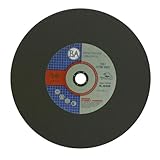
- 14 INCH METAL CUTTING BLADE: Benchmark Abrasives 14" x 1/8" x 1" chop saw cut off wheels are perfect for cutting all ferrous metals, including iron, steel, tubes, pipes, and light gauge materials such as drywall studs. Designed for both simple and complex cutting jobs, these metal grinding wheels deliver unparalleled precision that enhances your metalworking projects.
- PREMIUM ALUMINUM OXIDE MATERIAL: Crafted from high-quality aluminum oxide, these metal cutting chop saw blades feature a grainy texture that cuts through metals with exceptional accuracy and minimal effort. With these cutting wheels, you’ll experience the efficiency and precision that only top-tier materials can provide in your cutting operations. Achieve clean, precise cuts for general metal fabrication with our circular saw blade.
- INDUSTRIAL-GRADE PERFORMANCE: Our metal cutting wheels are built to meet industrial standards with efficient performance. This makes our metal chop saw 14 inch wheels suitable for stationary saws, low horsepower saws, portable saws, and electric chop saws. Engineered for durability and reliability, these cut-off wheels can withstand heavy use in demanding industrial environments.
- MULTIPLE APPLICATIONS & COMPATIBILITY: This metal cutting circular saw blade fits Dewalt, Milwaukee, Makita, Bosch, Metabo, Ryobi, Black & Decker, Kobalt, Craftsman, Skil, Porter Cable, Ridgid, 14" electric chop saws, stationary saws, low horsepower saws, portable saws and virtually other brands. Our metal cutoff saw wheels ensure consistent performance and high productivity across various applications.
- CUTTING BLADES YOU CAN TRUST: Our 14 inch abrasive cut off wheel is manufactured with premium materials that exceed ANSI and EU European standards. We are dedicated to providing a high-quality metal cutoff blade. Enjoy the confidence of using abrasive wheels & discs that professionals trust.

- UP TO 3X LIFE*
- Optimized Tooth Geometry Designed For Increased Accuracy
- Ultra Sharp Carbide for Clean Cutting

- Application - Designed for cutting wood, suitable for all kinds of softwood, hardwood, multilayer, MDF, plywood, laminate, chipboard, and so on. Wood with nails can also be cut
- Features - Alternating top bevel reduces tear-out on both sides of the cut for smoother cutting edges.4-face precision grinding reduces cutting resistance for longer life
- Carbide Teeth - Our miter saw blades are equipped with tungsten carbide teeth, specially designed for high-intensity woodworking, taking into account long service life and extreme cutting results
- Specifications - Diameter: 10 inch, Teeth: 80T, Arbor: 5/8 inch, Max RPM: 5500
- Package Includes - 1pc Woodworking Circular Saw Blade
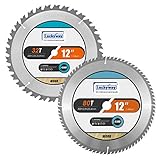
- DIMENSIONS - 12 Inch Saw Blade for Miter Saw, Diameter: 12“; 1" arbor(25.4mm), 0.106" Kerf(2.7mm), 32-Tooth&80-Tooth, MAXRPM:4,500
- Tungsten carbide teeth provide excellent wear and heat resistance, toughness, longer life
- 12 inch miter saw blade 32T general purpose Blade; 12 inch miter saw blade 80T fine finish Blade. Crosscutting Tungsten Carbide Miter Saw Blade 2 Pack, helps you make quick, smooth, and accurate cuts
- Perfect for slicing through hardwoods, softwoods, plywood, melamine, oak, pine and Embedded nail wood
- Compatible with DeWalt, Makita, Skil, Metabo 12" Miter Saw
Your Guide to Picking the Perfect Chop Saw Blade
A chop saw is a powerful tool. It needs the right blade to cut well. Choosing the wrong blade causes rough cuts or even damage. This guide helps you pick the best blade for your job.
Key Features to Look For
When you shop, look closely at these important parts of the blade:
1. Blade Diameter
- This must match your saw. A 10-inch saw needs a 10-inch blade. Never use a blade too big for your machine.
2. Arbor Hole Size
- The arbor hole is the center hole. It fits onto the saw’s shaft. Measure this carefully. Most common sizes are 5/8 inch or 1 inch.
3. Tooth Count (TPI – Teeth Per Inch)
- More teeth mean smoother cuts. Fewer teeth cut faster but leave a rougher edge.
- For fast, rough cuts (like framing lumber), use 40 to 60 teeth.
- For smooth, fine cuts (like trim or metal), use 80 to 100 teeth.
4. Blade Type
- Different saws use different blades. Make sure the blade matches your saw type (e.g., abrasive, carbide-tipped, or dry cut metal saw blades).
Important Materials Matter
The material the blade is made from affects how long it lasts and what it cuts best.
For Wood Cutting: Carbide-Tipped Blades
- Most modern wood blades use Tungsten Carbide teeth. These teeth stay sharp much longer than older steel teeth. High-quality carbide holds an edge better.
For Metal Cutting: High-Speed Steel (HSS) or Specialty Carbide
- Metal cutting blades are very tough. Look for blades rated for the specific metal you cut (aluminum, steel, etc.). Some blades use special coatings to reduce friction and heat.
Blade Body Material
- The main body of the blade is usually high-quality steel. Strong steel prevents the blade from warping when it gets hot during hard use.
Factors That Improve or Reduce Quality
Blade quality shows up in performance and lifespan.
What Makes a Blade Better?
- Thick Plate: A thicker blade body vibrates less. Less vibration means cleaner cuts and safer operation.
- Laser Welding: High-end blades use lasers to attach the carbide tips. This creates a very strong bond that resists breaking off.
- Anti-Vibration Slots: Some premium blades have small slots cut into the body. These slots absorb vibration, making the cut quieter and smoother.
What Makes a Blade Worse?
- Thin Plate: Thin blades flex easily. This leads to wobbling and inaccurate cuts.
- Poor Tooth Geometry: Cheap blades often use poorly ground teeth. These teeth dull quickly and tend to “chatter” (vibrate) while cutting.
- Heat Damage: Cutting too fast or using the wrong blade for the material creates excessive heat. Heat weakens the steel body and ruins the carbide brazing.
User Experience and Use Cases
Think about what you will cut most often. This guides your tooth count choice.
Quick, Rough Construction Work
If you are framing houses or breaking down rough lumber, speed is key. Use a **lower tooth count (40T or 60T)** blade. These blades remove material fast.
Fine Finish Work and Trim
When cutting molding, cabinetry, or decorative wood, you need a mirror-like finish. Select a **high tooth count blade (80T or higher)**. These blades cut slowly but leave almost no tear-out.
Cutting Non-Ferrous Metals (Aluminum)
Aluminum requires a specific approach. Use a **low tooth count (60T to 80T)** blade designed specifically for aluminum. These often have a high hook angle to pull the soft metal cleanly.
Chop Saw Blade Buying Guide FAQ
Q: How often should I replace my chop saw blade?
A: Replace the blade when you notice the cutting speed slowing down significantly or if the cuts start looking ragged. A dull blade forces your saw motor to work harder, which can damage the saw itself.
Q: Can I use a wood blade to cut plastic?
A: You can sometimes cut thin plastics with a high-tooth-count wood blade. However, specialized plastic blades exist. Wood blades can sometimes crack or melt soft plastics due to speed and heat.
Q: What is the main danger of using the wrong size blade?
A: Using a blade that is too small can cause the blade to hit the saw guard or base. Using a blade that is too large is extremely dangerous; it can fly apart due to excessive speed and cause serious injury.
Q: Do I need to clean my chop saw blade?
A: Yes. Removing built-up pitch (from wood) or residue (from metal) helps the blade run cooler and cut more efficiently. Use a specialized blade cleaner or degreaser.
Q: What does “hook angle” mean on a blade?
A: Hook angle describes how aggressively the tooth attacks the material. A high hook angle cuts faster but is less forgiving. A low hook angle cuts slower but provides a safer, smoother bite, which is good for very hard materials.
Q: Is a thicker blade always better?
A: Generally, yes, for stability. Thicker blades resist flexing under load. However, extremely thick blades can sometimes bind if the saw isn’t powerful enough to push through the material easily.
Q: Should I buy a carbide blade for cutting mild steel?
A: No. Standard wood carbide blades are not designed for the hard abrasion of steel. You must use a dedicated abrasive wheel or a specialized dry-cut metal blade (often HSS or specific carbide grade) for steel.
Q: What causes the blade to overheat?
A: Overheating happens from cutting too fast, forcing the material, or using a blade that is too dull. Heat weakens the metal body and ruins the connection holding the teeth on.
Q: What is the benefit of a negative rake blade?
A: Negative rake blades have teeth that angle slightly away from the direction of cut. These are often used on metal-cutting saws because they reduce the chance of kickback and are very durable for cutting tough stock.
Q: How do I know if my blade is balanced?
A: An unbalanced blade vibrates noticeably, especially at full speed. If you notice excessive vibration right after mounting a brand-new blade, check that it is seated perfectly flush against the arbor flange.