
Geese can turn a pristine yard into a messy, undesirable space. They leave behind droppings, eat grass down to the roots, and can even become aggressive. If you’re asking, “Can I get rid of geese in my yard?” the answer is yes, with the right strategies. This comprehensive guide will explore various methods for goose control and how to repel geese effectively, creating a goose proof yard.
Geese are attracted to yards for several key reasons: a reliable food source (grass and plants), water access, and a sense of security. Understanding these attractants is the first step in developing a successful goose management plan. This post will delve into practical, often humane goose control methods, covering everything from physical barriers to natural solutions that deter waterfowl.
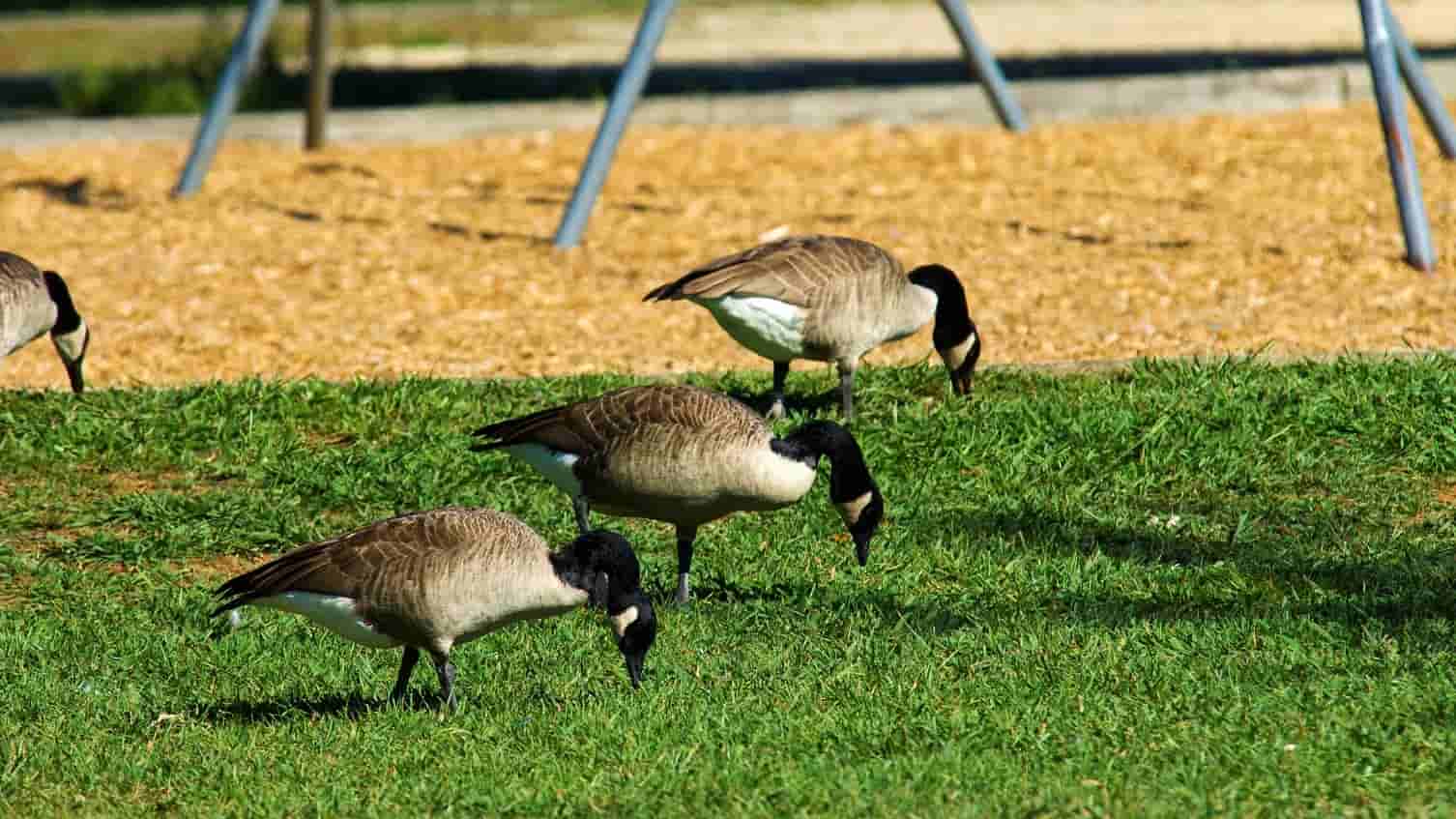
Image Source: cdn11.bigcommerce.com
Why Do Geese Visit Your Yard?
Before we dive into solutions, it’s helpful to grasp why geese choose your yard in the first place. Geese are creatures of habit and seek out areas that meet their basic needs.
- Food: Lush, green grass is a primary food source for geese. They are grazers and will happily munch on your lawn, flowerbeds, and garden vegetables. The more inviting your greenery, the more attractive your yard becomes.
- Water: Geese need access to water for drinking, bathing, and protection. Proximity to ponds, lakes, rivers, or even large puddles can draw them to your property.
- Safety: Open areas with clear visibility allow geese to spot predators, while dense vegetation nearby offers a place to hide. Your yard might inadvertently provide this perceived safety.
- Nesting Sites: During breeding season, geese look for safe, secluded spots near water to build their nests. Shallow depressions in tall grass or areas near the water’s edge are ideal. Preventing geese from finding these spots is crucial to prevent geese nesting.
Effective Geese Deterrents: A Multi-Pronged Approach
No single solution works for every situation. The most successful goose control strategies often combine several methods. This ensures a consistent and robust defense against unwanted avian visitors. We will explore various geese deterrents that are both easy and effective.
1. Modifying Your Landscape: Making Your Yard Less Appealing
The simplest approach to prevent geese nesting and visiting is to alter the environment so it’s less attractive to them.
Habitat Modification Tactics
- Reduce Water Access: If possible, fence off or block access to any ponds or water bodies on your property. Even a small change can discourage them.
- Limit Grassy Areas: Geese love wide-open, grassy spaces. Reducing the size of your lawn, especially near water features, can make your yard less inviting. Consider planting native groundcovers or flowers that geese tend to avoid.
- Trim Vegetation: Keep grass short, especially around the edges of your property and near water. Geese prefer longer grasses for cover and nesting. Regular mowing is a key part of goose lawn care.
- Remove Food Sources: Clean up any spilled birdseed or pet food that might attract geese. Geese are opportunistic eaters.
Plant Choices: Natural Barriers
Certain plants are less palatable to geese. Incorporating these into your landscaping can act as a natural deterrent.
- Spiky or Thorny Plants: Roses, holly, barberry, and ornamental grasses with sharp edges can make it uncomfortable for geese to walk or graze.
- Aromatic Herbs: Strong-smelling herbs like lavender, rosemary, and mint can be off-putting to geese. Planting these around the perimeter of your yard or garden can help repel geese.
- Unpalatable Groundcovers: Plants like vinca, ivy, or creeping juniper are often less appealing to geese than typical lawn grasses.
2. Physical Barriers: Keeping Them Out
Sometimes, the most straightforward method is to physically prevent geese from entering your yard.
Fencing Solutions
- Perimeter Fencing: A fence around your property, especially if it extends to the ground, can be an effective barrier. For best results, the fence should be at least 3-4 feet high.
- Low-Level Barriers: For specific garden areas, consider low fencing or netting. This can protect your prized plants.
- Floating Barriers: For ponds or water edges, floating fences or booms can deter geese from accessing the water or nesting nearby.
Repellent Netting
- Netting for Gardens: Lightweight bird netting can be draped over vulnerable plants or garden beds. Ensure it’s secured well to prevent birds from getting tangled.
3. Visual and Auditory Deterrents: Scaring Them Away
Geese are easily startled by new or unusual sights and sounds. Leveraging this can be a highly effective geese deterrent.
Visual Scare Tactics
- Predator Decoys: Realistic-looking owl, hawk, or fox decoys can make geese feel unsafe. Move these decoys regularly (every few days) to prevent geese from realizing they aren’t real threats.
- Shiny Objects: Reflective tape, old CDs hung from trees, or metallic pinwheels can catch the sunlight and flash, startling geese.
- Scarecrows: While traditional scarecrows might seem quaint, modern, reflective scarecrows or even inflatable figures can be effective.
- Moving Objects: Anything that moves unexpectedly can cause geese to flee. Think about wind chimes that create unusual sounds or flags that flap erratically.
Auditory Scare Tactics
- Noise Makers: Ultrasonic devices emit high-frequency sounds that are unpleasant for geese but generally inaudible to humans and pets.
- Distress Calls: Recordings of goose distress calls or predator sounds can disrupt their comfort and encourage them to leave. Ensure these are played intermittently and at varying volumes.
- Noise Repercussions: Simple noise makers like banging pots and pans or using air horns can scare them off, but this is usually a short-term solution and can be disruptive to neighbors.
4. Canine Companions: A Natural Predator
Dogs, particularly herding breeds, can be excellent geese deterrents.
- Herding Instincts: Breeds like Border Collies, Australian Shepherds, and Sheepdogs are naturally inclined to herd. Their presence and chasing behavior can effectively repel geese from your yard.
- Supervised Patrols: It’s crucial to supervise your dog when they are interacting with geese. You want them to chase the geese away, not harm them, as this is part of humane goose control. Allow your dog to patrol the yard at appropriate times.
- Professional Dog Services: Some services offer trained dogs specifically for goose control, which can be a very effective, albeit more costly, solution.
5. Repellent Sprays and Liquids: Natural and Chemical Options
There are various sprays that can make your lawn and plants unappealing to geese.
Natural Goose Repellent
- Grapefruit Seed Extract: Some studies suggest that grapefruit seed extract can be used as a natural goose repellent. Mix it with water and spray on affected areas.
- Essential Oils: Certain essential oils, like peppermint or eucalyptus, are believed to deter geese due to their strong scents. Dilute them with water and spray.
- Commercial Organic Repellents: Look for commercially available organic repellents made from natural ingredients. Always follow product instructions carefully.
Chemical Repellents
- Methyl Anthranilate: This is a common ingredient in many commercial goose repellents. It’s derived from grapes and creates an unpleasant taste and smell for geese. Apply according to label directions.
- Important Considerations: When using chemical repellents, always read and follow the product labels precisely. Be mindful of pets, children, and other wildlife. Reapplication may be necessary after rain or irrigation.
6. Goose Management Strategies: Long-Term Prevention
Goose management involves implementing strategies that aim for long-term effectiveness and can be combined with immediate geese deterrents.
Goose-Proof Yard Design
- Strategic Planting: As mentioned, use plants geese dislike around the perimeter.
- Water Feature Management: If you have a pond, consider installing floating islands or aquatic plants that geese might not favor, or use barriers to restrict access.
- Regular Maintenance: Consistent mowing and cleaning up any attractants are vital for maintaining a goose proof yard.
Exclusion and Harassment Techniques
- Habitat Modification: This is a cornerstone of goose control. Regularly disturb potential nesting sites. If you see geese preparing to nest, humanely remove the eggs before they hatch. This is a key step in prevent geese nesting.
- Human Presence: Geese are often deterred by human activity. Regular walks or presence in your yard can make them feel less secure.
Professional Assistance
- Wildlife Control Services: For severe infestations or persistent problems, consider hiring a professional wildlife control service. They have specialized knowledge and tools for effective goose management.
Protecting Your Lawn: Specific Goose Lawn Care
Geese can wreak havoc on a lawn, leaving bare patches and their droppings everywhere. Effective goose lawn care requires a combination of prevention and remediation.
Preventing Goose Damage
- Regular Mowing: Keeping your grass at a moderate height (around 3 inches) makes it less appealing and harder for geese to graze.
- Aeration and Dethatching: A healthy, dense lawn is more resistant to damage. Aerating and dethatching can improve turf health.
- Deterrent Application: Regularly applying visual deterrents, noise makers, or even natural goose repellent sprays can discourage geese from settling in.
Remediation After Goose Visit
- Dropping Removal: Goose droppings are not only unsightly but can also contribute to disease transmission. It’s best to remove them promptly. Use a shovel or rake.
- Lawn Repair: After geese have damaged your lawn, you may need to reseed bare patches.
- Soil Treatment: Goose droppings can alter soil pH. It might be beneficial to add lime or sulfur to neutralize the soil before reseeding, following soil test recommendations.
When to Consider More Intensive Goose Control
If your goose control efforts aren’t yielding the desired results, or if the problem is severe, it might be time to explore more intensive options.
Understanding Regulations
- Local Wildlife Laws: Before undertaking any significant goose management actions, it’s crucial to research your local wildlife regulations. Some methods, especially those involving egg manipulation or capture, may require permits.
Professional Goose Control Services
These services often employ a range of sophisticated techniques:
- Habitat Alteration: Professionals can advise on or implement landscape changes to make your property less attractive.
- Avian Repellents: They can apply specialized repellents that are highly effective.
- Exclusion Devices: This can include specialized fencing or netting.
- Egg Addling: This is a humane goose control method where eggs are treated to prevent hatching without removing them. This discourages geese from nesting in the same spot year after year.
Table: Summary of Geese Deterrents
| Deterrent Type | Method | Effectiveness | Considerations |
|---|---|---|---|
| Habitat Modification | Reduce water access, trim grass, plant unpalatable plants. | High (long-term) | Requires ongoing effort. |
| Physical Barriers | Fencing, netting. | High | Can be costly, may alter aesthetics. |
| Visual Deterrents | Decoys (predators), reflective tape, shiny objects. | Moderate (requires movement/change) | Geese can habituate to stationary objects. |
| Auditory Deterrents | Ultrasonic devices, distress call recordings. | Moderate to High | Can affect other animals; needs variety to prevent habituation. |
| Canine Companions | Trained dogs. | Very High | Requires a suitable dog and supervision; potential for aggression. |
| Repellent Sprays | Natural (grapefruit seed, essential oils), chemical (methyl anthranilate). | Moderate (requires reapplication) | Always follow instructions; consider environmental impact. |
| Human Presence | Regular activity in the yard. | Moderate | Not always practical for continuous deterrence. |
Frequently Asked Questions (FAQ)
Q1: What is the most effective way to keep geese away from my yard permanently?
A1: A permanent solution often involves a combination of methods. Consistent habitat modification (making your yard less attractive), using a combination of visual and auditory geese deterrents that are varied and unpredictable, and potentially employing trained dogs or professional goose control services offers the best long-term success in creating a goose proof yard.
Q2: Can I use my dog to repel geese?
A2: Yes, dogs, particularly herding breeds, can be very effective at deterring geese through their natural herding instincts. It’s important to supervise your dog to ensure the interaction remains humane goose control and that they are chasing the geese away rather than harming them.
Q3: Are there any natural goose repellent options that work?
A3: Yes, there are several natural goose repellent options. Planting unpalatable plants like thorny bushes or aromatic herbs can help. Also, sprays made from diluted essential oils (like peppermint) or grapefruit seed extract can be effective, though they often require frequent reapplication.
Q4: How do I prevent geese from nesting in my yard?
A4: To prevent geese nesting, make your yard less appealing. Keep grass short, limit access to water, and remove potential nesting materials. If you find a nest, contact your local wildlife authorities for guidance on humane removal or egg addling. Human presence and noise can also deter them from choosing your yard for nesting.
Q5: What if geese are already in my yard and won’t leave?
A5: If geese are already present, you’ll need to implement more active geese deterrents. Start with visual and auditory scares, increase human presence, and consider deterrent sprays. If these methods don’t work, it might be time to consult a professional for more advanced goose management strategies.
Q6: Is it legal to harm geese that are damaging my property?
A6: In most regions, geese are protected migratory birds. Harming, harassing aggressively, or killing them is illegal and carries significant penalties. The focus should always be on humane goose control and deterrent methods. Always check your local and federal wildlife regulations before taking any action.
Q7: How can I keep geese away from my pond?
A7: To deter geese from ponds, consider installing floating barriers or booms around the edges. Planting less palatable aquatic vegetation can also help. Regularly disturbing the geese on the pond with noise or visual deterrents can also make them seek other locations.
By implementing a thoughtful and multi-faceted approach, you can effectively keep geese away from your yard, ensuring your outdoor space remains enjoyable and free from their unwelcome presence. Remember, patience and consistency are key to successful goose control.