
Yes, you can get rid of moths in your lawn by identifying the specific pest causing damage and then implementing targeted treatment strategies, which can include mechanical removal, biological controls, or chemical applications. This comprehensive guide will walk you through the process of eliminating these unwelcome guests and restoring your lawn’s health.
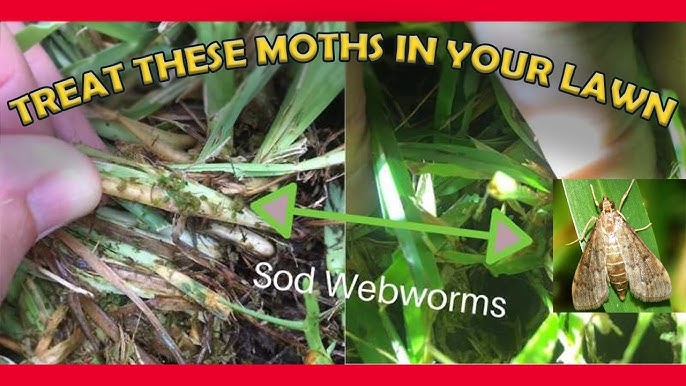
Image Source: i.ytimg.com
Identifying Lawn Moths and Their Damage
Before you can effectively tackle a moth problem, you need to know what you’re dealing with. Identifying lawn moths is the first crucial step. While adult moths themselves are often a nuisance due to their fluttering presence, it’s their offspring – the lawn moth larvae – that cause the most significant damage to your turf. These hungry caterpillars can decimate your lawn in a surprisingly short period.
Common Lawn Moth Species
Several types of moths can infest lawns, with a few being more prevalent than others. Recognizing these specific species can help tailor your approach.
- Sod Webworms: These are perhaps the most common culprits. Adult sod webworms are small, buff-colored moths that fly close to the ground, often at dusk. Their larvae are small, greenish or brownish caterpillars that burrow into the soil and feed on grass roots and blades. They create silky tunnels, often lined with frass (insect droppings), near the soil surface.
- Armyworms: While not exclusively “lawn moths” in the adult stage, the larvae of certain armyworm species, like the Fall Armyworm, can cause extensive lawn damage. These caterpillars are voracious feeders, consuming grass blades from the edges inward, often leaving behind ragged patches. They can move in large groups, hence the name “armyworm.”
- Cutworms: These are plump, smooth-skinned caterpillars that typically live in the soil. They emerge at night to feed on young plants and grass shoots. They are notorious for “cutting” down seedlings at the soil line, but they also feed on established turf, causing irregular brown patches.
Visual Clues to Infestation
- Brown or Thirsty-Looking Patches: One of the most tell-tale signs of sod webworm infestation or other lawn moth larvae activity is the appearance of irregular brown or yellowish patches. These areas might look like they need more water, even if the rest of the lawn is adequately hydrated.
- Ragged Grass Blades: If you notice grass blades with chewed edges or a generally ragged appearance, it’s a strong indicator of caterpillar feeding.
- Presence of Silky Webbing: Sod webworm larvae create silken tunnels or mats at the soil surface and just beneath the thatch layer. You might see this fine webbing, especially in the early morning dew.
- Frass: Look for small, dark pellets of insect droppings, called frass, on the grass blades or in the thatch layer. This is a clear sign of active feeding by caterpillars.
- Increased Bird Activity: Birds often flock to lawns with caterpillar infestations because they are a food source. A sudden increase in birds pecking at your lawn can be a subtle warning sign.
Fathoming the Life Cycle of Lawn Moths
To effectively combat lawn moths, comprehending their life cycle is essential. Most lawn-damaging moths have several stages: egg, larva (caterpillar), pupa, and adult. The larval stage is where the most damage occurs.
- Eggs: Adult female moths lay eggs, typically on or near grass blades or in the thatch layer. The eggs are often laid in clusters or individually.
- Larva (Caterpillar): This is the feeding and growth stage. The larvae hatch from the eggs and immediately begin consuming grass. This is the stage that causes visible lawn damage. The duration of this stage varies depending on the species and environmental conditions.
- Pupa: Once the larva has completed its feeding and growth, it enters the pupal stage. During this time, the larva transforms into an adult moth. Pupation often occurs in the soil or thatch.
- Adult Moth: The adult moth emerges from the pupa. Their primary purpose is reproduction. They feed minimally, if at all, and focus on mating and laying eggs, thus starting the cycle anew.
Understanding when the larval stage is most active and vulnerable is key to successful lawn pest control.
Strategies for Eliminating Moths from Your Lawn
Once you’ve identified the presence of lawn moths and the damage they’re causing, it’s time to implement a solution. A multi-pronged approach, focusing on both active infestations and prevention, is often the most effective. We will explore various methods, from simple home remedies to more advanced effective moth killers.
Immediate Actions for Active Infestations
For an ongoing problem, immediate action is needed to halt further damage.
Mechanical and Physical Controls
These methods are often the first line of defense, especially for smaller or less severe infestations.
- Manual Removal: For visible caterpillars, especially cutworms, you can often pick them off by hand and dispose of them. This is most effective in the early morning or late evening when they are most active.
- Watering Blast: For sod webworms, a strong blast of water from a hose can dislodge the larvae from their tunnels, making them more vulnerable to predators or washing them to areas where they can be removed. This is not a long-term solution but can offer temporary relief.
- Beneficial Nematodes: These microscopic organisms are natural predators of many soil-dwelling insect larvae, including sod webworms and cutworms. When applied to the soil, they seek out and parasitize the grubs, killing them. This is an excellent organic lawn moth removal option. Ensure you purchase nematodes that are specifically targeted for the pests you are dealing with and apply them according to package instructions, typically when the soil is moist and temperatures are favorable.
Biological Controls
Leveraging natural predators and diseases is a sustainable way to manage moth populations.
- Bacillus thuringiensis (Bt): This is a naturally occurring bacterium that is highly effective against caterpillars. When ingested by the larvae, Bt releases toxins that disrupt their digestive system, leading to their death. Bt is safe for humans, pets, and beneficial insects. It’s a fantastic option for organic lawn moth removal and can be applied as a spray.
- Beneficial Insects: Encouraging or introducing natural predators like parasitic wasps, ladybugs, and lacewings can help control moth populations. These insects prey on moth eggs and young larvae. Planting a variety of flowering plants that attract these beneficial insects can create a more balanced ecosystem in your garden.
Chemical Treatments
When infestations are severe, chemical interventions may be necessary. It’s crucial to use these products responsibly and follow label instructions precisely.
- Insecticides: There are various insecticides available that target lawn-damaging caterpillars. These can be contact killers, meaning they kill the pest upon direct contact, or systemic, where the plant absorbs the insecticide, and the pest is killed when it feeds on the plant.
- Contact Insecticides: Products containing pyrethroids (like bifenthrin or permethrin) can provide quick knockdown of active larvae. Apply them when larvae are actively feeding, usually in the early morning or late evening.
- Systemic Insecticides: For more persistent infestations or when larvae are burrowed, systemic insecticides might be more effective. Imidacloprid is a common active ingredient in many systemic lawn insecticides.
- Grub Control Products: Many products designed for grub control are also effective against other soil-dwelling larvae, including some types of moth caterpillars. These often contain ingredients like imidacloprid or chlorantraniliprole.
Important Note on Chemical Use: Always read and follow the label directions carefully. Apply pesticides during the cooler parts of the day to avoid harming beneficial insects and to reduce the risk of burning your lawn. Consider the impact on pollinators and avoid applying when plants are in bloom.
Tackling Specific Pests
Sod Webworm Treatment
For a sod webworm infestation, targeting the larval stage is paramount.
- Timing is Key: The best time to treat sod webworms is when the larvae are young and actively feeding near the surface. This often occurs in late summer or early fall, but can also happen in spring, depending on your climate.
- Detection Method: To confirm the presence of sod webworms, pour a gallon of water mixed with 1-2 tablespoons of liquid dish soap over a small (2 square foot) area of the suspected lawn. If sod webworms are present, they will usually surface within 10-15 minutes.
- Treatment Options:
- Bt or Spinosad: These organic options are excellent for killing sod webworm larvae.
- Pyrethroid-based insecticides: For faster results, these can be applied. Ensure good coverage, especially in the thatch layer.
- Nematodes: Applied during the larval stage, nematodes can be very effective.
Cutworm Control
Cutworms are often harder to control because they are active at night and tend to burrow during the day.
- Visible Larvae: If you can find them, manual removal is best.
- Soil Treatments: Products containing pyrethroids or carbaryl can be applied to the soil surface. Water them in lightly to help them reach the cutworms.
- Diatomaceous Earth: This natural powder can be applied around plants or to the lawn surface. It works by physically damaging the insect’s exoskeleton, causing dehydration. It’s most effective when dry.
Armyworm Management
Armyworms can move quickly and cause widespread damage.
- Early Detection: Look for grazing patterns that resemble mowing too low or thinning areas of grass.
- Treatment: Bt or spinosad are highly effective against armyworms. Insecticides with pyrethroids can also be used for quick knockdown. Again, timing is crucial, as they are most vulnerable when young.
Moth Caterpillar Treatment: A Closer Look
When dealing with any moth caterpillar treatment, remember that the larval stage is your primary target.
- Larval Vulnerability: Caterpillars are most susceptible to insecticides when they are young and actively feeding. Older, larger caterpillars are more resistant.
- Coverage is Crucial: Ensure thorough coverage of the lawn with your chosen treatment. The spray needs to reach the grass blades and the thatch layer where larvae often hide.
- Repeat Applications: Depending on the product and the severity of the infestation, you may need to repeat applications to catch newly hatched larvae. Always follow product guidelines for reapplication intervals.
Preventing Future Lawn Moth Issues
The best offense is a good defense. Implementing preventative measures can significantly reduce the chances of future sod webworm infestation or other moth problems.
Maintaining a Healthy Lawn
A robust and healthy lawn is naturally more resistant to pest infestations.
- Proper Mowing: Mow at the correct height for your grass type. Taller grass blades can help shade the soil and deter egg-laying moths. Avoid scalping the lawn, which stresses the grass and makes it more susceptible.
- Adequate Watering: Water your lawn deeply and infrequently. This encourages deeper root growth, making the grass more resilient. However, avoid overwatering, which can create a favorable environment for some pests.
- Balanced Fertilization: Feed your lawn with the right nutrients at the right times. A healthy, well-fed lawn can better withstand minor pest damage.
- Thatch Management: Keep thatch levels to a minimum (less than half an inch). Excessive thatch can harbor pests and provide a protected environment for larvae. Dethatching or aeration can help reduce thatch.
Natural Deterrents and Barriers
- Companion Planting: While more common in gardens, some plants might deter moths. However, for a lawn, this is less practical.
- Encourage Natural Predators: As mentioned earlier, attracting beneficial insects creates a natural pest control system.
Monitoring and Early Intervention
- Regular Inspections: Walk your lawn regularly, especially during peak moth season (typically late summer and early fall, but can vary by region), looking for signs of damage or the adult moths themselves.
- The Soap Test: Continue to use the soap drench method periodically to check for the presence of larvae before visible damage occurs. Early detection allows for less aggressive and more effective treatments.
Repairing Moth Damage to Your Lawn
Once the moth infestation is under control, you’ll likely need to address the damage left behind. Moth damage repair focuses on helping the turf recover and regrow.
Assessing the Damage
- Identify Affected Areas: Pinpoint the brown or thin patches caused by the moth larvae.
- Check Soil Health: Ensure the soil underneath the damaged areas is still viable and not compacted or overly dry.
Repair Strategies
- Watering: Continue to water the affected areas adequately to help the remaining grass recover.
- Fertilizing: Apply a balanced lawn fertilizer to encourage new growth.
- Overseeding: For areas with significant thinning or bare patches, overseeding is necessary.
- Preparation: Rake the damaged areas to remove any dead grass and loosen the soil.
- Seeding: Choose a high-quality grass seed blend that matches your existing lawn. Spread the seed evenly over the prepared areas.
- Top Dressing: Lightly cover the seed with a thin layer of compost or topsoil to help retain moisture and improve seed-to-soil contact.
- Watering: Keep the seeded areas consistently moist (but not waterlogged) until the new grass is established. This usually involves light watering multiple times a day.
- Lawn Repair Products: Some commercial lawn repair products are available that contain seed, fertilizer, and a moisture-retaining mulch to help speed up the repair process.
Long-Term Lawn Health
Investing in the overall health of your lawn through proper cultural practices will make it more resilient to future pest challenges. A strong root system and dense turf are the best defenses against many common lawn pests, including those from the moth family.
Frequently Asked Questions (FAQ)
Q1: Can I use common household moth repellents on my lawn?
A1: Household moth repellents are generally not designed for outdoor use on turf and may not be effective against lawn-dwelling larvae. They can also harm beneficial insects and pets. It’s best to use products specifically labeled for lawn pest control.
Q2: When is the best time to treat for lawn moths?
A2: The best time to treat for lawn moths is generally when the larvae are young and actively feeding. This timing varies by species and geographic location but often occurs in late summer or early fall. Early detection through regular inspections and the soap drench test is crucial.
Q3: Are all lawn moths harmful?
A3: While adult moths themselves are generally harmless to the lawn, their larval (caterpillar) stages can cause significant damage by feeding on grass. The adult moths are often indicators of an underlying larval problem.
Q4: How do I know if I have a sod webworm infestation?
A4: Signs of a sod webworm infestation include irregular brown patches that look like drought stress, chewed grass blades, the presence of fine silken webbing near the soil surface, and sometimes frass (insect droppings). A simple soap drench test can confirm their presence.
Q5: Is organic lawn moth removal effective?
A5: Yes, organic lawn moth removal methods such as using Bacillus thuringiensis (Bt), spinosad, or beneficial nematodes can be very effective. These methods target the pests directly while being safer for the environment, pets, and beneficial insects.
Q6: What is the difference between grub control and moth control?
A6: While both target larvae in the soil, grub control specifically refers to treatments against beetle larvae (grubs), whereas moth control targets the larval stages of moths. However, some products used for grub control are also effective against certain lawn moth larvae.
Q7: How quickly can moth caterpillars destroy a lawn?
A7: Moth caterpillars, especially in large numbers and when actively feeding, can cause significant damage to a lawn very quickly, sometimes within a matter of days, particularly during hot, dry weather when the grass is already stressed.
Q8: What are effective moth killers for lawns?
A8: Effective moth killers for lawns include insecticides containing pyrethroids (like bifenthrin, permethrin) for quick knockdown, and systemic insecticides containing ingredients like imidacloprid for longer-lasting control. For organic options, Bt and spinosad are highly recommended.
By following these guidelines for identification, treatment, prevention, and repair, you can effectively get rid of moths in your lawn and maintain a healthy, vibrant turf.