
The vast majority of riding lawn mower batteries operate at 12 volts. While some smaller or older models might use 6-volt systems, 12 volts is the standard for modern riding mowers and is also a common lawn mower battery voltage for many other garden tractors and equipment.
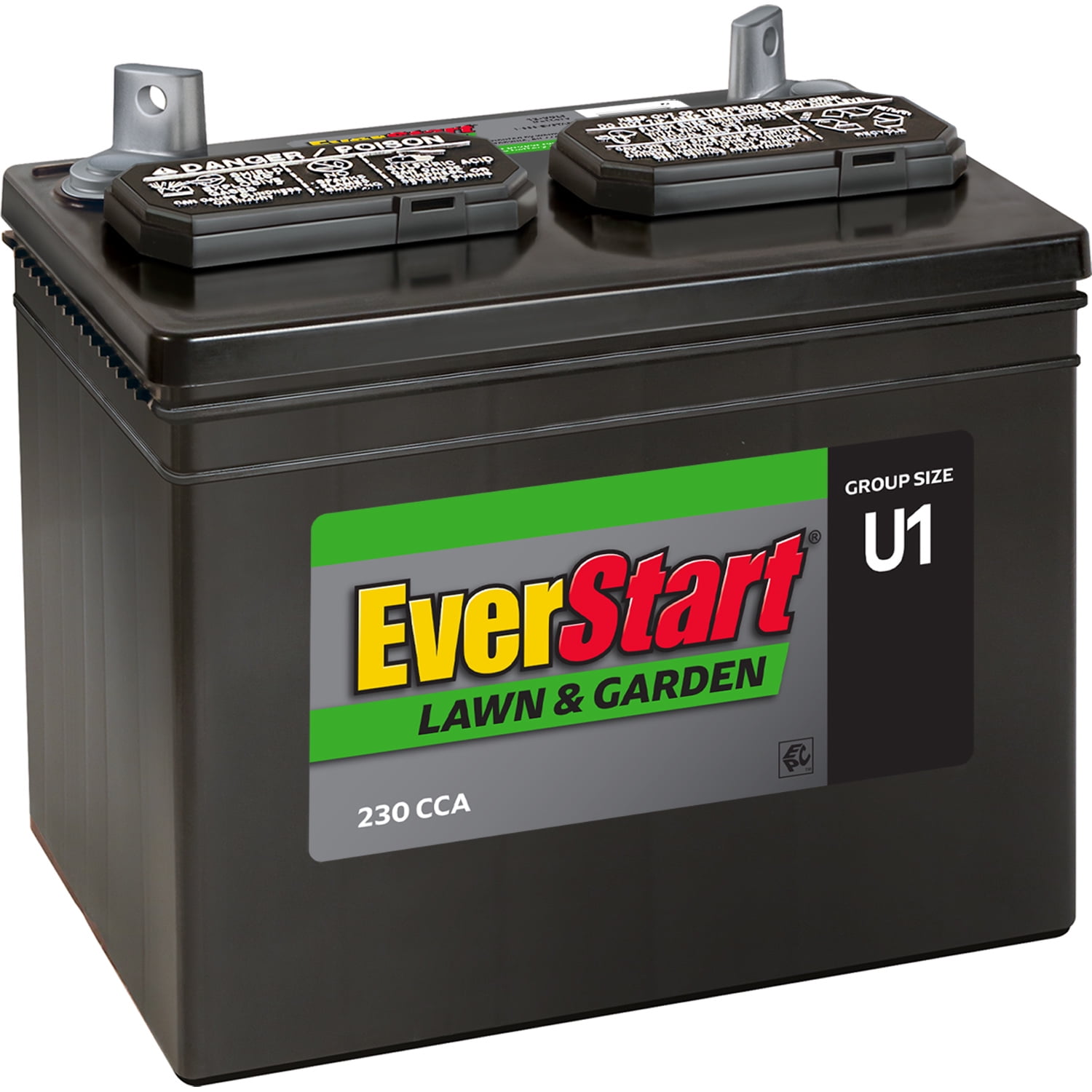
Image Source: i5.walmartimages.com
Deciphering Riding Mower Battery Voltage
When you’re looking to maintain or replace the battery in your riding lawn mower, one of the most crucial pieces of information you need is its voltage. Understanding the volts in riding mower batteries helps ensure you purchase the correct replacement part and that your mower starts and runs reliably. In most cases, the answer to “How many volts in a riding lawn mower battery?” is a straightforward 12 volts. This is a widely adopted standard across the industry, similar to how ATV battery voltage often follows specific patterns.
The Dominant 12-Volt Standard
Why 12 volts? This voltage offers a good balance of power output and safety for the typical electrical demands of a riding lawn mower. It’s enough to crank the engine, power the headlights, and run accessories without requiring overly complex or expensive electrical systems. This standard also means that many aftermarket batteries are readily available, making it easier to find a replacement when needed. This consistency is a boon for owners, as they don’t have to hunt for specialized voltage batteries.
When 6 Volts Might Be Found
While less common today, you might encounter 6-volt batteries in very old or very small riding mowers. These systems were more prevalent in the early days of motorized lawn care. If your mower is a vintage model, it’s always best to consult its owner’s manual or physically inspect the existing battery for its voltage rating before making a purchase. The lawn tractor battery specifications will clearly state the required voltage.
Battery Types for Riding Mowers
Beyond voltage, riding mower batteries come in different types, each with its own characteristics. The most common are flooded lead-acid batteries, often referred to as wet cell batteries.
Flooded Lead-Acid Batteries
These are the traditional workhorses. They contain lead plates submerged in an electrolyte solution of sulfuric acid and water.
- Pros: Generally the most affordable option, widely available.
- Cons: Require regular maintenance (checking and topping up electrolyte levels), can be sensitive to extreme temperatures, and need to be kept upright to prevent leaks.
AGM (Absorbent Glass Mat) Batteries
AGM batteries are a type of sealed lead-acid battery. The electrolyte is absorbed into a fiberglass mat sandwiched between the plates.
- Pros: Maintenance-free (no topping up needed), more vibration-resistant than flooded batteries, can be mounted in various positions, and offer good performance in a range of temperatures. They are also less prone to self-discharge.
- Cons: Typically more expensive than flooded batteries.
Gel Cell Batteries
Another type of sealed lead-acid battery, gel cell batteries use a gel-like electrolyte.
- Pros: Very resistant to vibration and extreme temperatures, can be mounted in various positions, and are generally spill-proof.
- Cons: Can be sensitive to overcharging and are often the most expensive lead-acid option.
The choice between these types can impact riding mower battery charge needs and overall longevity. For most users, an AGM battery offers a good blend of performance and convenience.
What Affects Riding Mower Battery Performance?
Several factors influence how well your riding mower battery performs and how long it lasts. Understanding these can help you get the most out of your battery.
Age
Like all batteries, those in riding mowers have a finite lifespan. Typically, a riding mower battery can last anywhere from 3 to 5 years, depending on usage, maintenance, and environmental conditions.
Temperature Extremes
- Heat: High temperatures can accelerate the chemical reactions inside the battery, leading to faster degradation and reduced lifespan. Leaving your mower in direct sunlight on a hot day can be detrimental.
- Cold: Cold weather significantly reduces a battery’s cranking power. While it doesn’t permanently damage the battery in the same way heat can, it makes starting the engine much harder and can lead to the battery being drained faster if the engine struggles to turn over.
Charging Habits
- Undercharging: If the battery is not fully recharged after use, especially after a demanding mowing session, it can lead to sulfation. Sulfation is the buildup of lead sulfate crystals on the battery plates, which reduces the battery’s capacity and ability to hold a charge.
- Overcharging: While less common with modern charging systems, overcharging can also damage a battery by causing excessive heat and gassing, which can warp plates and reduce electrolyte levels. Using a smart charger designed for automotive or lawn mower batteries is crucial for proper riding mower battery charge.
Storage and Maintenance
- Discharge: Leaving a riding mower unused for extended periods without occasional charging can lead to deep discharge, which can be very difficult, if not impossible, to recover from.
- Corrosion: Battery terminals can corrode over time. This corrosion creates resistance, hindering the flow of electricity and making it harder for the battery to charge and discharge efficiently. Regular cleaning of terminals with a wire brush and a baking soda/water solution is recommended.
Deep Cycle vs. Starting Batteries
Riding mower batteries are typically deep cycle battery voltage types, meaning they are designed to provide a steady amount of power over a longer period, rather than the short, high burst of power needed to start an engine. However, some smaller mowers might use a starting battery. It’s important to know which type your mower requires.
- Starting Batteries: Designed for short, high-current bursts to crank an engine. They are not meant for repeated deep discharges.
- Deep Cycle Batteries: Designed to be discharged more deeply and then recharged repeatedly. They are built with thicker plates to withstand this type of usage. Many lawn tractor battery specifications will indicate if a deep cycle battery is required.
Caring for Your Riding Mower Battery
Proper care can significantly extend the life of your 12 volt riding mower battery.
Regular Cleaning
- Keep the battery terminals clean and free from corrosion.
- Ensure the top of the battery is clean and dry to prevent self-discharge.
Proper Charging
- Use a battery charger specifically designed for lead-acid batteries. A trickle charger or a smart charger is ideal for maintaining a riding mower battery charge when the mower is not in use.
- Avoid leaving the mower uncharged for long periods.
Checking Electrolyte Levels (for Flooded Batteries)
- If you have a flooded lead-acid battery, check the electrolyte levels every few months.
- Only use distilled water to top up the cells if the levels are low. Never use tap water, as minerals can damage the battery.
- Ensure the battery is properly vented.
Winter Storage
- If you live in a region with cold winters, it’s best to remove the battery from the mower during storage.
- Store it in a cool, dry place, ideally on a trickle charger to maintain its charge.
- Avoid storing it directly on a concrete floor, as this can accelerate self-discharge. A wooden shelf or plastic stand is preferable.
Troubleshooting Common Battery Issues
When your riding mower won’t start, the battery is often the first culprit.
Slow Cranking or No Cranking
This is a classic sign of a weak or dead battery. The battery voltage for tractor or mower needs to be sufficient to turn the engine over. If you hear a clicking sound but no cranking, it could be a battery issue or a starter problem.
Lights Dim or Flickering
If your mower has headlights or other electrical accessories, dim or flickering lights can indicate a low battery charge or a faulty connection.
Corroded Terminals
Visible white or bluish-green powdery buildup on the battery terminals is corrosion. This hinders electrical flow.
Swollen Battery Case
If the battery case appears swollen or distorted, it could be due to overcharging or extreme temperatures. This indicates a damaged battery that needs immediate replacement.
Comparing Riding Mower Batteries to Other Applications
It’s interesting to note how riding mower batteries compare to batteries used in other applications.
ATV Battery Voltage
Similar to riding lawn mowers, most ATVs also use 12 volt riding mower battery systems. The physical size and amp-hour ratings might differ to suit the specific power demands of the ATV’s engine and accessories, but the fundamental voltage is the same.
Tractor Battery Volts
Larger garden tractors and even some smaller agricultural tractors also commonly use 12-volt batteries. However, larger, more powerful tractors may utilize 24-volt systems, often by connecting two 12-volt batteries in series. The battery voltage for tractor applications depends heavily on the size and power requirements of the machine.
Electric Lawn Mower Battery
This is where things differ significantly. An electric lawn mower battery is entirely different from a combustion engine starter battery. These batteries are designed to power the electric motor directly and are typically lithium-ion or sometimes deep-cycle lead-acid batteries that provide sustained power. Their voltage can vary widely, from 12 volts for smaller push mowers to 48 volts or even higher for larger riding electric mowers. These batteries are the primary power source, not just for starting.
Key Specifications to Look For
When purchasing a replacement battery, beyond the correct voltage, consider these specifications:
- Cold Cranking Amps (CCA): This measures the battery’s ability to start an engine in cold temperatures. Higher CCA is generally better, especially if you live in a colder climate.
- Reserve Capacity (RC): This indicates how long the battery can supply power if the alternator fails. A higher RC means the battery can power accessories for a longer time.
- Ampere-Hour (Ah): This rating indicates the battery’s capacity—how much energy it can store. A higher Ah rating generally means longer run times or more power.
Always refer to your owner’s manual for the exact specifications recommended for your specific riding mower. These are part of the essential lawn tractor battery specifications.
Frequently Asked Questions (FAQ)
Can I use a car battery on my riding mower?
While both might be 12 volts, it’s generally not recommended. Car batteries are designed for short, high-burst starting power and are not built for the deep cycling and vibration typically experienced by lawn mower batteries. Using a car battery can lead to premature failure.
How do I know if my riding mower battery needs replacing?
Signs include slow cranking, a clicking sound when trying to start, dim lights, a swollen battery case, or the battery failing to hold a charge even after being fully charged. A battery tester can also provide a definitive answer.
How often should I check my riding mower battery?
It’s a good practice to check it at least twice a year, typically at the beginning and end of the mowing season. For flooded batteries, checking electrolyte levels should be done more frequently.
What is the best way to maintain my riding mower battery during the winter?
Remove the battery from the mower, ensure it is fully charged, and store it in a cool, dry place. Connect it to a trickle or smart charger to maintain its charge throughout the winter months.
Does the brand of battery matter for my riding mower?
While voltage and CCA are crucial, reputable brands often offer better quality control, longer warranties, and more consistent performance. Choosing a known brand can provide peace of mind.
By paying attention to the lawn mower battery voltage, proper care, and the right specifications, you can ensure your riding mower starts reliably and serves you well for years to come. Whether it’s a 12 volt riding mower battery or a different setup, knowledge is key to good maintenance.