
Image Source: cdn.mos.cms.futurecdn.net
How to Treat Your Whole Yard for Ants Effectively and Safely
When ants invade your yard, they can quickly turn a pleasant outdoor space into a nuisance. How do you treat your whole yard for ants effectively and safely? The key is to implement a multi-pronged approach that addresses existing colonies and prevents future invasions, using a combination of targeted treatments and preventative measures. This comprehensive guide will walk you through various ant control methods to achieve yard pest eradication.
Identifying the Enemy: Common Yard Ants and Their Habits
Before you can effectively treat your yard, it’s crucial to identify the types of ants you’re dealing with. Different ant species have varying habits and preferences, which can influence the best treatment strategies.
- Odorous House Ants: Often found in kitchens and bathrooms, these ants can also nest outdoors in mulch, under rocks, and in soil. They forage for sweets and proteins.
- Pavement Ants: As their name suggests, these ants often nest under pavement, sidewalks, and patios. They emerge to forage for food, especially during warmer months.
- Carpenter Ants: These larger ants excavate wood to build their nests, which can be a serious structural concern. While they prefer moist wood, they can also nest in dry, dead trees or even in the soil.
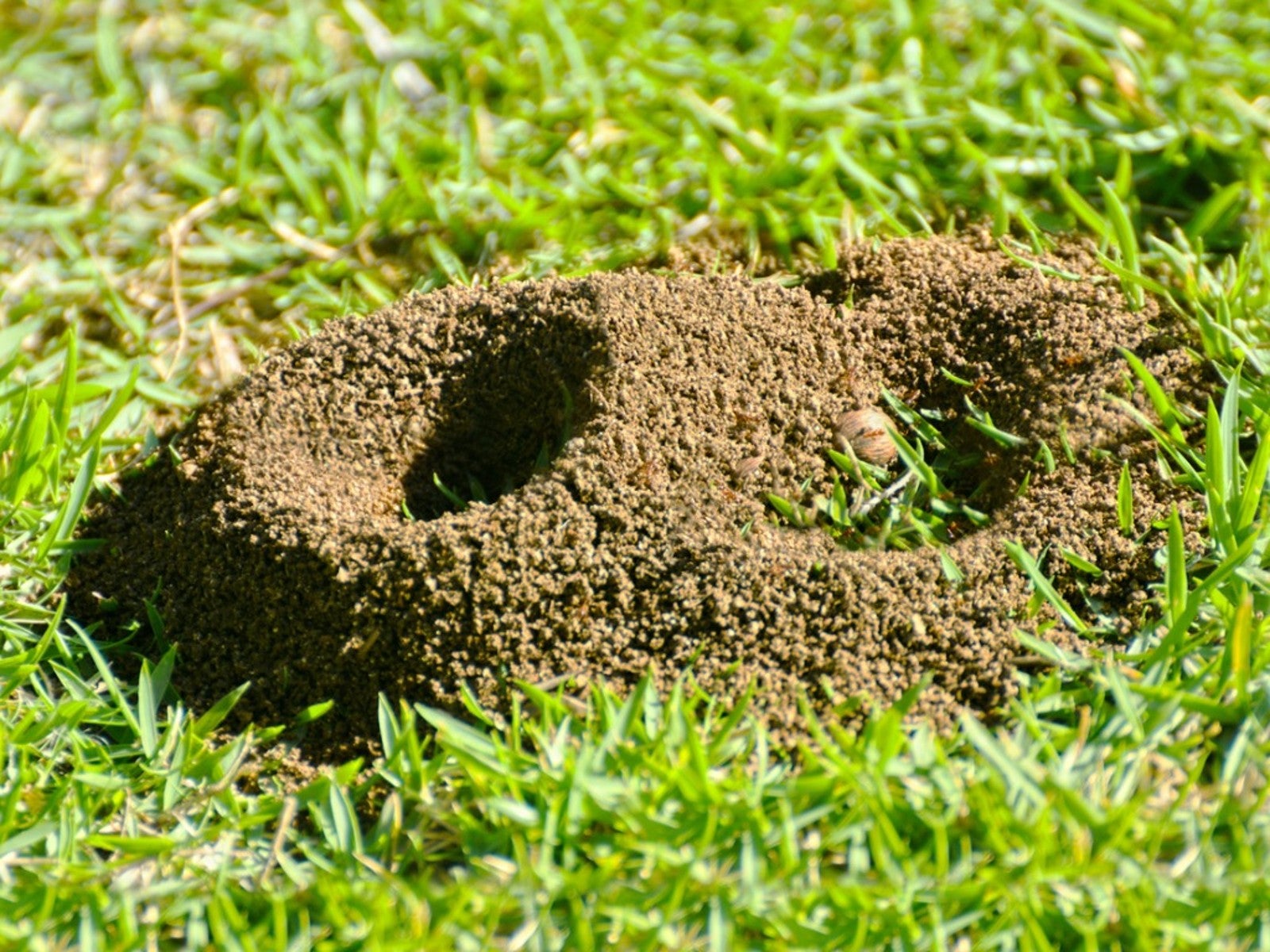
- Fire Ants: Known for their painful sting, fire ants build distinctive mounds in open, sunny areas. They are aggressive and can be a significant threat to pets and children.
- Sugar Ants: A general term for ants that primarily feed on sugars, these can be various species. They are attracted to honeydew produced by aphids and mealybugs.
Why are they in your yard? Ants are often attracted to food sources, water, and shelter. Your yard might offer a combination of these, from fallen fruit and pet food to leaky sprinklers and shaded areas under bushes.
Strategies for Ant Colony Elimination
Eliminating ant colonies requires a systematic approach. Simply killing the ants you see on the surface won’t solve the problem, as the colony and its queen will continue to reproduce.
Targeting the Colony Directly
The most effective way to achieve ant colony elimination is to target the nest itself.
Baiting: A Smart Approach to Ant Control Methods
Ant baits are designed to be carried back to the colony by foraging ants, where they are shared, ultimately eliminating the queen and other ants.
- How Baits Work: Baits typically consist of a slow-acting poison mixed with an attractant, such as sugar or protein. The ants consume the bait and transport it back to their nest, feeding it to other ants, larvae, and the queen. This slow action is key; if the poison acts too quickly, the foraging ants may die before reaching the colony.
- Types of Baits:
- Granular Baits: These are scattered around ant trails and near suspected nest sites. They are effective for larger outdoor areas.
- Gel Baits: Applied in small dabs near ant trails and entry points, gel baits are particularly good for targeting specific trails and visible activity.
- Liquid Baits: These can be poured into ant hills or placed in bait stations.
- Placement is Key:
- Place baits along ant trails, near entry points to your home, and around the perimeter of your yard.
- Avoid spraying other insecticides near bait stations, as this can deter ants from consuming the bait.
- Replenish baits as needed, as they can dry out or be consumed.
Direct Nest Treatment
For visible ant mounds, direct treatment can be highly effective.
- Liquid Insecticides: Pouring a liquid insecticide formulated for ants directly into the nest opening can kill ants on contact and penetrate the colony. Follow product instructions carefully for application rates and safety precautions.
- Granular Insecticides: Scattering granular insecticides over the ant mound can also be effective, with the granules being carried into the nest by the ants.
- Dusts: Insecticidal dusts can be puffed into ant nests and entry points, providing a longer-lasting residual effect.
Broad-Spectrum Insecticidal Treatments for Your Yard
When ants are widespread throughout your yard, a broader application of insecticidal treatments may be necessary.
Granular Insecticides for Perimeter Treatment
- Application: Apply granular insecticides around the perimeter of your home and yard, creating a barrier. This helps prevent ants from entering your property in the first place.
- Watering In: Many granular insecticides require watering after application to activate them and move the active ingredients into the soil where they can be picked up by ants.
- Timing: Apply these treatments when ants are actively foraging and before they become a major problem.
Liquid Sprays
- Contact Killers: These sprays kill ants on contact but offer little to no residual effect. They are useful for immediate relief from visible ant activity but are not a long-term solution for colony elimination.
- Residual Sprays: These sprays leave a residue that continues to kill ants for a period after application. They are effective for treating ant trails, entry points, and infested areas.
- Application Areas:
- Spray around the foundation of your home.
- Treat ant trails and foraging areas.
- Apply to bushes, trees, and other areas where ants are active.
- Safety First: Always read and follow label instructions meticulously. Wear protective clothing, including gloves and a mask, and keep pets and children away from treated areas until the spray has dried.
Natural Ant Deterrents and Eco-Friendly Options
For those seeking less chemical-intensive solutions, numerous natural ant deterrents can be effective.
Essential Oils
Certain essential oils have properties that repel ants.
- Peppermint Oil: Ants dislike the strong scent of peppermint. Mix a few drops of peppermint oil with water in a spray bottle and spray around ant trails and entry points.
- Tea Tree Oil: Similar to peppermint, tea tree oil is a strong repellent for ants.
- Citrus Oils: Lemon and orange oils can also disrupt ant scent trails.
Diatomaceous Earth (Food Grade)
- How it Works: Diatomaceous earth (DE) is a natural powder made from fossilized aquatic organisms. When ants come into contact with DE, its microscopic sharp edges scratch their exoskeletons, causing them to dehydrate and die.
- Application: Sprinkle a thin layer of food-grade DE around ant nests, trails, and entry points. It’s most effective when dry.
- Caution: While natural, DE can be harmful to beneficial insects and pets if inhaled in large quantities. Use with caution and avoid inhaling the dust.
Vinegar
- Scent Disruption: A mixture of equal parts white vinegar and water can be sprayed on ant trails. Vinegar disrupts the scent trails that ants follow, making it difficult for them to navigate.
- Cleaning Power: It also acts as a cleaner, removing pheromone trails left by ants.
Boiling Water
- Direct Nest Treatment: For visible ant mounds, pouring boiling water directly into the nest can kill a significant number of ants and disrupt the colony. This is a quick and effective method for smaller mounds.
- Safety: Exercise extreme caution when handling boiling water to avoid burns.
Boric Acid and Sugar Mixture
- Homemade Bait: A simple yet effective DIY ant treatment involves mixing borax (a naturally occurring mineral) with sugar and a small amount of water to form a paste.
- Ratio: Aim for approximately 1 part borax to 3 parts sugar.
- Placement: Place small amounts of this mixture on cardboard or bottle caps near ant trails.
- How it Works: Ants are attracted to the sugar, consume the mixture, and carry it back to the colony. Boric acid is a stomach poison that disrupts their digestive system.
- Important Note: Keep this mixture out of reach of pets and children, as borax can be toxic if ingested in larger quantities.
Outdoor Ant Solutions for a Pristine Yard
Beyond direct treatment, focusing on outdoor ant solutions can prevent future problems.
Managing Food Sources
- Clean Up Spills: Promptly clean up any sugary spills from picnics or outdoor dining.
- Pet Food: Don’t leave pet food or water bowls outside for extended periods, especially overnight. Clean them regularly.
- Fallen Fruit: Remove fallen fruit from trees and bushes, as this is a significant attractant for many ant species.
Water Management
- Fix Leaks: Repair leaky outdoor faucets, sprinklers, and hoses. Ants need water, and standing water can attract them.
- Proper Drainage: Ensure your yard has good drainage to avoid waterlogged areas where ants might nest.
Landscaping and Yard Maintenance
- Mulch Management: While mulch can be beneficial for plants, thick layers can provide ideal nesting conditions for ants. Keep mulch a few inches away from the foundation of your home.
- Trim Vegetation: Trim back shrubs, trees, and other vegetation that touches your home’s exterior. This creates a physical barrier and prevents ants from using these as bridges to enter your house.
- Remove Debris: Clear away leaf litter, woodpiles, and other debris from your yard, as these can serve as nesting sites.
Sealing Entry Points
- Foundation Sealing: Inspect the foundation of your home for cracks and crevices. Seal these with caulk or appropriate sealant to prevent ants from entering.
- Window and Door Seals: Ensure window screens and door sweeps are in good repair to create a tight seal.
Long-Term Ant Control Strategies
Achieving long-term ant control involves a combination of consistent maintenance and proactive measures.
- Regular Inspections: Periodically inspect your yard and home for early signs of ant activity. Early detection makes treatment much easier.
- Seasonal Treatments: Consider applying preventative treatments in early spring before ant populations boom.
- Integrated Pest Management (IPM): IPM is a holistic approach that emphasizes using the least toxic methods first and only resorting to chemical treatments when necessary. This includes habitat modification, biological controls (if applicable), and targeted pesticide use.
- Monitoring Bait Stations: Regularly check and replenish bait stations to ensure continuous control.
When to Call a Professional
While many ant problems can be managed with DIY ant treatment and vigilant maintenance, some situations may require professional assistance.
- Severe Infestations: If you have a large, persistent ant problem that you can’t get under control.
- Carpenter Ants: If you suspect carpenter ant activity, it’s crucial to consult a professional, as they can cause significant structural damage to your home.
- Fire Ants: Due to their aggressive nature and painful sting, professional help is often recommended for fire ant control.
- Uncertainty: If you are unsure about the type of ant you are dealing with or the best treatment methods.
Summary Table: Ant Treatment Options
| Treatment Method | Target Area/Use | Pros | Cons |
|---|---|---|---|
| Ant Baits | Trails, nests, entry points | Targets colony, effective for long-term control | Slow-acting, requires correct placement, can be attractive to pets/children |
| Granular Insecticides | Perimeter treatment, broadcast application | Broad coverage, creates barrier, activates with water | Can affect non-target insects, requires watering, potential runoff concern |
| Liquid Insecticides | Direct nest treatment, residual barrier | Quick kill, residual effect | Can be harmful to non-target organisms, requires protective gear, drift risk |
| Essential Oils | Trails, entry points | Natural, safe for most applications, pleasant scent | Less potent, requires frequent reapplication, may not eliminate colony |
| Diatomaceous Earth (DE) | Trails, nests, entry points | Natural, physical action, no chemicals | Effectiveness reduced when wet, can be a respiratory irritant if inhaled |
| Vinegar Solution | Trails, foraging areas | Natural, disrupts scent trails, cleans | Short-lived effect, doesn’t eliminate colony, strong smell |
| Boiling Water | Visible ant mounds | Quick, natural, no chemicals | Limited to visible nests, safety hazard, can kill beneficial soil organisms |
| Borax & Sugar Mixture | Trails, near nests | DIY, cost-effective, targets colony | Toxic if ingested by pets/children, requires careful placement |
Frequently Asked Questions About Yard Ant Treatment
Q1: How quickly can I expect to see results from ant treatments?
Results vary depending on the treatment method and the severity of the infestation. Baits may take several days to a week to show significant colony reduction, while contact sprays will kill visible ants immediately. Direct nest treatments can provide rapid control of localized mounds.
Q2: Are there any safe ways to treat ants with pets or children in the yard?
Yes, natural ant deterrents like essential oils, diatomaceous earth (applied carefully to avoid inhalation), and vinegar are generally safer options. When using chemical insecticidal treatments, always opt for products specifically labeled for outdoor use and follow all safety instructions. Keep pets and children away from treated areas until they are completely dry and safe. Always store baits and treatments securely out of reach.
Q3: Can I use the same treatment for all types of ants?
While some methods are broadly effective, different ant species may respond better to specific approaches. For instance, fire ants often require specialized mound treatments, while carpenter ants may necessitate professional intervention due to their destructive nesting habits. Identifying the ant species can help you choose the most effective ant killer and strategy.
Q4: How often should I reapply ant treatments to my yard?
The frequency of reapplication depends on the product used and environmental factors like rain. Granular baits may need to be replenished every few weeks, while residual sprays might last for a month or more. Natural ant deterrents often require more frequent application, especially after rain or heavy dew. Regular monitoring is key to determining when reapplication is necessary for long-term ant control.
Q5: What are the best ways to prevent ant infestations in the first place?
The best way to prevent ant infestations is through good yard maintenance. This includes cleaning up food sources, managing water sources, trimming vegetation away from your home, and sealing any cracks or openings in your foundation. Consistent outdoor ant solutions and proactive measures are crucial for keeping your yard ant-free.