
Does your lawn look like a patchy green carpet dotted with tiny white flowers? You’re likely dealing with clover, and many homeowners ask, “Can I get rid of clover in my lawn?” Yes, you absolutely can! This guide will walk you through everything you need to know to achieve a healthy, clover-free lawn. We’ll cover effective strategies for clover removal, explore different approaches to lawn weed control, and identify the best clover treatment options.
Clover, scientifically known as Trifolium repens, is a low-growing, creeping plant that thrives in compacted, nutrient-poor soil. While it can add a bit of green to your lawn, its nitrogen-fixing abilities can actually encourage the growth of other, more undesirable weeds, and its clover patches can make your lawn look uneven and untidy. Fortunately, with the right knowledge and tools, you can effectively manage and eliminate clover from your lawn.
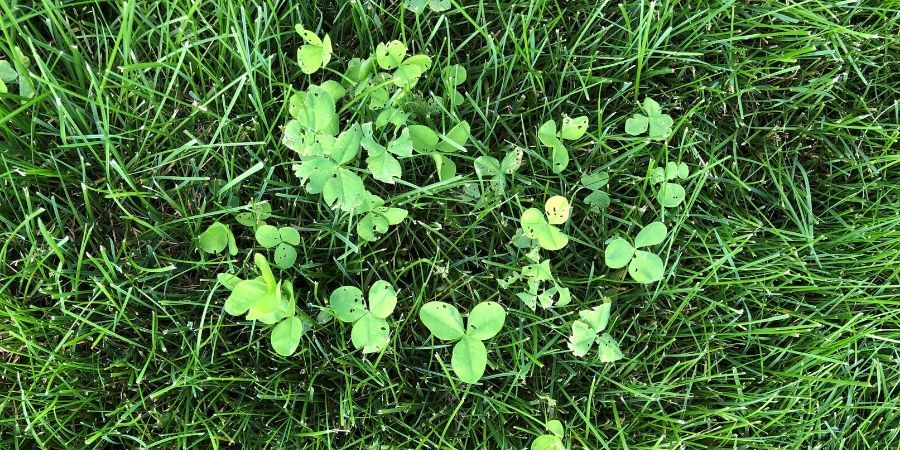
Image Source: www.milorganite.com
Why Does Clover Take Over?
Before we dive into how to get rid of clover, let’s briefly touch on why it likes your lawn so much. Clover is a survivor. It’s tough and can grow in conditions where grass struggles.
- Poor Soil Conditions: Clover thrives in compacted soil. When your soil is hard, grass roots have trouble spreading, and this gives clover an advantage.
- Low Nitrogen: Grass needs a good amount of nitrogen to stay thick and healthy. Clover, being a legume, actually produces its own nitrogen. So, when your lawn is low in nitrogen, clover flourishes.
- Infrequent Mowing: Cutting your grass too short can weaken it, making it more susceptible to clover invasion.
- Drought Conditions: Clover is more drought-tolerant than many types of grass. When grass is stressed by dry spells, clover can often survive and spread.
Your Arsenal of Clover Removal Tactics
Getting rid of clover can involve a multi-pronged approach. The best clover treatment for your lawn will depend on the severity of the infestation and your preferred methods. We’ll explore both chemical and natural options for clover removal.
Chemical Approaches: Targeted Lawn Weed Control
When you need to get rid of clover quickly and efficiently, chemical solutions are often the go-to. These products are designed to target broadleaf weeds, with clover being a prime example.
The Power of Broadleaf Weed Killer
The most common and effective way to tackle clover is by using a broadleaf weed killer. These herbicides are specifically formulated to kill broadleaf plants while leaving grasses unharmed.
- How They Work: Broadleaf weed killers are absorbed by the leaves of the weed and transported down to the roots, killing the entire plant.
-
Active Ingredients to Look For: Common active ingredients in effective clover killers include:
- 2,4-D: A classic herbicide that targets broadleaf weeds.
- MCPP (Mecoprop): Another effective chemical for controlling broadleaf weeds.
- Dicamba: Often found in combination with other herbicides for broader spectrum control.
- Triclopyr: Excellent for killing stubborn broadleaf weeds and woody plants.
-
Application Timing: The best time to apply a broadleaf weed killer is when the clover is actively growing and the weather is warm (but not excessively hot). Avoid applying when rain is expected within 24 hours.
-
Important Considerations:
- Read the Label: Always read and follow the label instructions carefully. This ensures you use the product safely and effectively.
- Spot Treatment: For smaller clover patches, spot treatment with a spray bottle is more economical and less impactful on the surrounding lawn.
- Temperature Sensitivity: Some herbicides can damage grass if applied when temperatures are too high. Check the product label for temperature guidelines.
- Avoid Drift: Be mindful of wind conditions to prevent the herbicide from drifting onto desirable plants or gardens.
Pre-Emergent for Clover: Stopping It Before It Starts
While not a solution for existing clover, a pre-emergent herbicide can be a key part of a long-term lawn weed control strategy to prevent clover from establishing in the first place.
- How Pre-Emergents Work: Pre-emergent herbicides create a barrier in the soil that prevents weed seeds from germinating.
- When to Apply: Pre-emergents are typically applied in early spring before weed seeds begin to sprout. The exact timing depends on your climate and the specific product.
- Limitations: Pre-emergents will not kill existing clover plants. They are purely preventative.
Natural and Organic Methods: Get Rid of Clover Naturally
If you prefer to avoid chemicals, there are several natural ways to get rid of clover. These methods often focus on improving your lawn’s overall health, which naturally discourages clover.
Manual Clover Removal: The Hands-On Approach
For small clover patches, manual clover removal is a straightforward and effective method.
- Tools: A garden trowel, a dandelion digger, or a specialized weed puller can be very useful.
-
Technique:
- Moisten the Soil: Water the area where the clover is growing a day or two before you plan to pull it. This softens the soil, making it easier to remove the entire plant, roots and all.
- Dig Deep: Insert your tool deep into the soil around the base of the clover plant.
- Leverage and Pull: Gently pry the clover plant upwards, trying to lift the entire root system. Clover has a taproot, so removing as much of it as possible is crucial to prevent regrowth.
- Dispose Properly: Place the removed clover in a bag and discard it. Do not compost it if you want to avoid spreading seeds.
-
Pros:
- No chemicals used.
- Immediate removal of visible clover.
- Good exercise!
- Cons:
- Time-consuming for large infestations.
- Difficult to get every root, leading to potential regrowth.
- Can leave bare patches that need reseeding.
Boosting Lawn Health: The Long-Term Strategy
The most sustainable way to prevent clover is to create a lawn that grass loves and clover dislikes. This involves improving soil health and encouraging dense grass growth.
-
Proper Mowing:
- Mow High: Set your mower to a higher setting. Taller grass shades the soil, making it harder for weed seeds like clover to germinate. Aim for 3-4 inches for most grass types.
- Sharp Blades: Use sharp mower blades. Dull blades tear grass, leaving it susceptible to disease and stress.
- Leave Grass Clippings: Grass clippings act as a natural fertilizer, adding nutrients back into the soil.
-
Fertilization:
- Regular Feeding: Feed your lawn with a balanced fertilizer. A lawn that is consistently well-fed will be thicker and better able to outcompete weeds.
- Nitrogen is Key: Since clover thrives on nitrogen, ensure your fertilizer provides sufficient nitrogen for your grass. Look for a fertilizer with a higher first number in the N-P-K ratio.
- Soil Testing: Consider a soil test to determine your lawn’s specific nutrient needs.
-
Aeration:
- Relieve Compaction: Aeration involves poking small holes in the soil. This reduces soil compaction, allowing water, air, and nutrients to reach the grass roots more easily.
- When to Aerate: The best time to aerate is during the active growing season for your grass type (spring or fall).
-
Overseeding:
- Fill in Gaps: If you have thin patches or bare spots where clover has been removed, overseeding with grass seed is essential. This helps to fill in those areas and prevent new weeds from taking hold.
- Choose the Right Seed: Select grass seed that is suitable for your climate and lawn conditions.
Natural Herbicides and Home Remedies
While less potent than commercial herbicides, some natural options can help manage clover.
- Vinegar: Horticultural vinegar (with a higher acetic acid concentration than kitchen vinegar) can be used as a spot treatment. However, it can also harm grass and needs to be applied carefully.
- Boiling Water: Pouring boiling water directly onto clover can kill it, but this is only practical for very small, isolated patches and will kill any grass it contacts.
- Corn Gluten Meal: This is a natural pre-emergent that can inhibit seed germination, including clover seeds. It also provides a small amount of nitrogen. Apply it in early spring.
Comprehensive Clover Control Strategies
To truly get rid of clover and prevent its return, you need a strategy that combines several of these methods.
1. Identify and Assess the Infestation
- Spotting Clover Patches: Look for the characteristic three leaflets (sometimes four) and small white flowers.
- Severity: Is it a few stray plants, or are there large, dense clover patches? This will determine the intensity of your approach.
2. Choose Your Primary Method
Based on the severity and your preferences, decide whether you’ll primarily use chemical treatments, manual removal, or focus on improving lawn health. Often, a combination is best.
3. Implement Treatment
- Chemical Application: If using a broadleaf weed killer, follow the label precisely. Apply on a calm day when the clover is actively growing.
- Manual Removal: Dedicate time to pull out as much clover as possible, ensuring you get the roots.
- Natural Methods: Apply corn gluten meal, consider horticultural vinegar for spot treatments, and focus on high-quality mowing and fertilization.
4. Repair and Re-seed
- Fill Bare Spots: After removing clover, especially through manual or chemical means, you’ll likely have bare areas. Overseed these spots with appropriate grass seed to promote dense growth.
- Water Properly: Ensure newly seeded areas receive consistent moisture to help the grass establish.
5. Prevent Future Growth: The Long Game
- Maintain Healthy Soil: Continue with regular aeration and fertilization to keep your soil healthy and your grass strong.
- Proper Mowing Height: Always mow your grass at the correct height.
- Water Wisely: Water your lawn deeply and infrequently to encourage deep root growth in your grass.
- Monitor: Keep an eye out for any new clover sprouts and address them quickly before they become established.
When to Use Specific Products: A Quick Reference
| Situation | Recommended Approach | Notes |
|---|---|---|
| Few Clover Plants | Manual clover removal | Easiest and most eco-friendly for small infestations. |
| Moderate Clover Patches | Spot treatment with broadleaf weed killer | Target only the clover. Follow label directions precisely. |
| Widespread Clover Infestation | Broadcast application of broadleaf weed killer | Use a spreader for even coverage. Ensure you choose a product effective against clover. |
| Preventing New Clover Growth | Pre-emergent application | Apply in early spring before germination. Does not kill existing clover. |
| Improving Overall Lawn Health | Aeration, proper mowing, fertilization, overseeding | These are long-term strategies to make your lawn less hospitable to clover. |
| Organic Lawn Care Focus | Manual removal, corn gluten meal, soil health | Requires patience and consistent effort. Focus on creating a dense, healthy turf. |
Addressing Specific Questions About Clover
Let’s tackle some common queries about clover in the lawn.
What is the best clover treatment?
The “best” clover treatment depends on the size of the infestation and your preferences. For quick and effective results on established clover, a broadleaf weed killer is often the most efficient. However, for a long-term, sustainable solution and a healthier lawn overall, focusing on improving soil health and encouraging dense grass growth is paramount. Manual removal is excellent for small, localized patches.
Can I get rid of clover naturally?
Yes, you can get rid of clover naturally. This typically involves manual clover removal, improving your lawn’s soil health through aeration and proper fertilization, mowing at the correct height, and overseeding thin areas. Natural pre-emergents like corn gluten meal can also help prevent new clover from establishing.
What kills clover without harming grass?
Broadleaf weed killers are specifically designed to kill broadleaf weeds like clover while leaving most common lawn grasses unharmed. Always read the product label to ensure it is safe for your type of grass. Natural methods like manual removal and improving grass health are also excellent ways to manage clover without harming your lawn.
How do I prevent clover in my lawn?
Prevent clover in your lawn by maintaining a healthy, dense turf. This includes:
* Mowing your grass at the proper height (usually 3-4 inches).
* Fertilizing your lawn regularly to ensure it has adequate nutrients, especially nitrogen.
* Aerating compacted soil to improve drainage and air circulation.
* Watering your lawn deeply and less frequently.
* Overseeding thin or bare spots promptly.
* Considering a pre-emergent application in early spring.
How do I remove clover patches?
To remove clover patches, you can either manually dig them out, ensuring you remove the roots, or use a spot treatment of a broadleaf weed killer. After removal, it’s crucial to overseed the bare areas with grass seed to prevent new weeds from growing there.
Frequently Asked Questions (FAQ)
Q1: Will clover die in the winter?
Clover is a perennial plant, meaning it lives for multiple years. While it will likely go dormant and stop growing during cold winter months, the roots typically survive and will emerge again in the spring.
Q2: Is clover bad for my lawn?
While clover itself isn’t inherently “bad,” it can be an indicator of underlying lawn problems, such as compacted soil or low nitrogen levels. Its presence can also make your lawn look uneven and can attract insects that might be undesirable.
Q3: How long does it take for clover killer to work?
The effectiveness and speed of a clover killer depend on the product used and the conditions. Typically, you will start to see wilting and discoloration of the clover within a few days to a week after application. Complete kill might take a couple of weeks.
Q4: Can I use a weed and feed product for clover?
Yes, many “weed and feed” products contain broadleaf weed killers that are effective against clover. However, always check the product label to ensure clover is listed as a target weed and that it’s safe for your specific grass type.
Q5: My lawn is mostly clover. Should I re-seed?
If your lawn is heavily infested with clover, it might be more efficient to start fresh. In severe cases, you might consider killing off the entire lawn (including the clover and grass) and then re-seeding or sodding with a higher-quality grass. This is a more drastic measure but can be very effective for extreme infestations.
By employing a combination of proactive lawn care and targeted treatment, you can effectively banish clover from your lawn and enjoy a healthier, greener, and more uniform turf. Remember, a well-maintained lawn is the best defense against unwanted weeds!